Advanced Piles Treatment for Lasting Anorectal Relief
Piles that is also known as Hemorrhoids, are swollen blood vessels in and around the anus or lower rectum that may cause bleeding, discomfort, itching or swelling. At Medithics Superspeciality Care, Piles are evaluated carefully to understand their grade, location and severity before selecting an appropriate treatment approach.
If you experience repeated bleeding during bowel movements, anal swelling, itching or a lump around the anus, timely consultation can help identify the cause and guide suitable treatment.
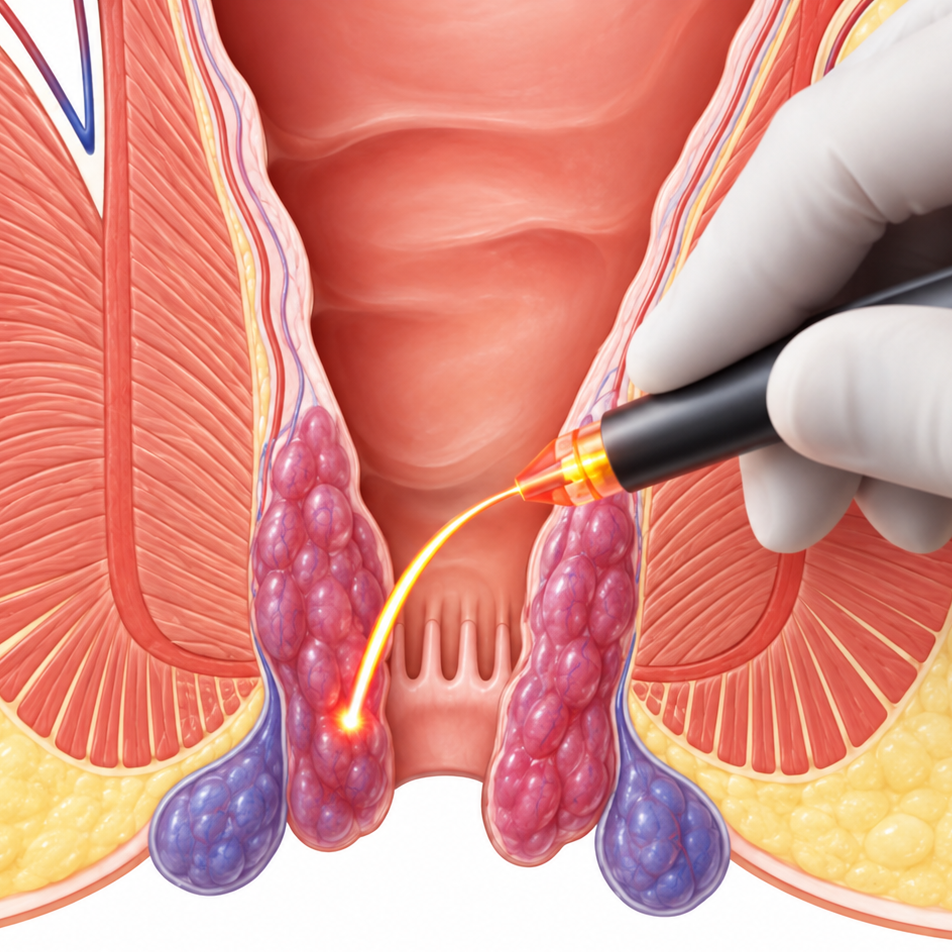

What Can Lead to Piles?
Piles can develop due to increased pressure in the blood vessels around the anus, often associated with constipation and straining while passing stool.
Repeated straining during bowel movements and long-standing constipation are commonly associated with Piles. Proper evaluation from an expert proctologist can be helpful to reduce the pain and improve the better health.
Common Contributing Factors That Are Associated With Piles Are-
- Chronic Constipation Issues
- Prolonged Sitting In One Area
- Consumption of Low-Fibre Diet
- Pregnancy Time Bowel Changes
- Irregular Bowel Habits
Understanding the Grades of Piles
Piles are commonly classified into different grades according to the extent of internal swelling and prolapse.
Grade I Piles
The swollen veins remain inside the anal canal and may cause symptoms such as bleeding without visible prolapse.
Grade II Piles
The swollen tissue may come out during bowel movements but generally returns inside on its own.
Grade III Piles
The Piles may protrude during bowel movements and may require gentle manual repositioning.
Grade IV Piles
The prolapsed tissue remains outside and may cause persistent discomfort or other symptoms.
When Should You Consult an Piles Specialist?
Do not ignore repeated anorectal symptoms, especially when they continue or become more frequent.
Rectal Bleeding
Bright-red blood during or after bowel movements.
Anal Swelling
Swelling or a lump around the anal region.
Itching or Irritation
Persistent irritation around the anus.
Pain or Discomfort
Discomfort while sitting or passing stool.
Prolapsed Tissue
A lump may come out during bowel movements.
Feeling of Incomplete Bowel Emptying
A persistent sensation of not stool emptying.
How Are Piles Diagnosed?
A proper diagnosis helps the specialist determine the type and grade of Piles and rule out other possible causes of rectal bleeding or anorectal discomfort.
Schedule a Detailed Piles EvaluationTests & Examinations Used When Required
How Are Piles Treated?
Piles treatment depends on the grade, symptoms, size, location and overall condition and Mild cases may improve with dietary and lifestyle measures, while persistent or advanced Piles may require a procedure.
Ready to Take the Next Step Towards Piles Relief?
Repeated bleeding, swelling, itching or discomfort during bowel movements should not be ignored. Get your symptoms evaluated by a specialist and understand which treatment approach may be appropriate for your condition.
What Happens During Laser Piles Treatment?
Your treatment journey depends on the severity of Piles and the procedure recommended after evaluation.
Hospital Admission
From patient arrival to registration & final clinical assessment.
Pre-Procedure Preparation
Evaluation of Medical history & surgical area preparation.
Anaesthesia Administration
Use of spinal anesthesia or short general anesthesia.
Piles Treatment
Beginning of Laser process for treatment.
Recovery & Observation
Patient Monitoring, discharge and recovery instructions.
Benefits of Laser Piles Treatment
Advanced and minimally invasive approaches may offer advantages for appropriately selected patients.
Minimally Invasive Approach
Treatment performed with limited disruption to surrounding tissues.
Less Post-Treatment Discomfort
Selected modern procedures reduce recovery discomfort.
Targeted Treatment
Specific surgical process for affected hemorrhoidal tissue.
Faster Return to Routine
Quick recovery & return to normal activities.
Care That Continues Beyond Piles Treatment
Recovery is an important part of successful Piles management. Your recovery period depends on the treatment performed, severity of the condition and individual healing.
Following your specialist’s instructions can help support comfortable recovery.
Maintain Hydration
Drink adequate fluids as recommended.
Fibre-Rich Diet
Include suitable fibre sources to support bowel movements.
Avoid Straining
Do not force bowel movements.
Maintain Anal Hygiene
Follow the recommended hygiene and cleansing instructions.
Piles Treatment FAQs
Answers to common questions about the procedure, recovery and after-care.
No and treatment depends on the severity, grade and symptoms. Some patients may improve with lifestyle and medical management, while others may require a procedure.
Laser treatment may be considered for selected patients and specialist will determine whether it is appropriate based on the type and severity of Piles.
Piles can recur, particularly when factors such as constipation, straining and unhealthy bowel habits continue.
A balanced diet containing adequate fibre and fluids can help support softer stools and reduce straining. Individual dietary advice should be based on your health and bowel habits.
No. Recurrent or unexplained bleeding should be medically evaluated rather than automatically attributed to Piles.