A Minor Surgical Process For Steady Heart Rhythm
Pacemaker implantation is a specialised cardiac procedure used to support the heart when its natural electrical rhythm becomes too slow or irregular.
A cardiologist evaluates your symptoms, heart rhythm and clinical reports to determine whether pacemaker treatment is suitable. Here in Medithics Superspeciality Care, our approach is to listen every patient’s concern and treat them effectively to maintain a healthy life.

The Right Cardiac Care Begins With Detailed Evaluation.
Before pacemaker implantation, your cardiologist assesses the reason behind the abnormal heart rhythm and reviews the investigations required to understand your condition.
Dr. Parijat Debchoudhury
What is Pacemaker Surgery
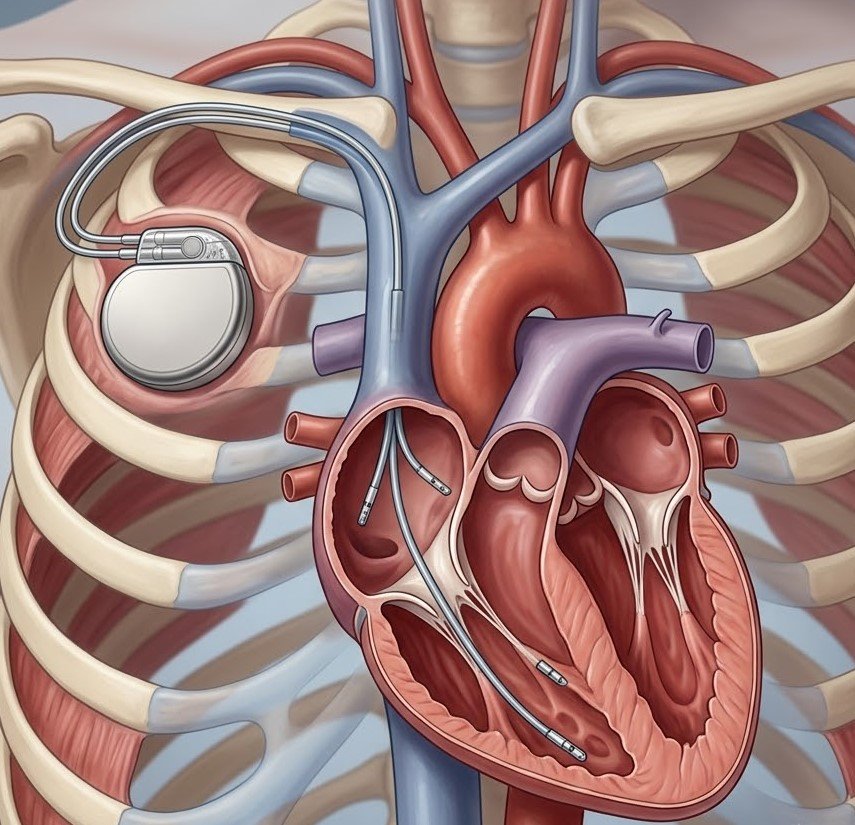
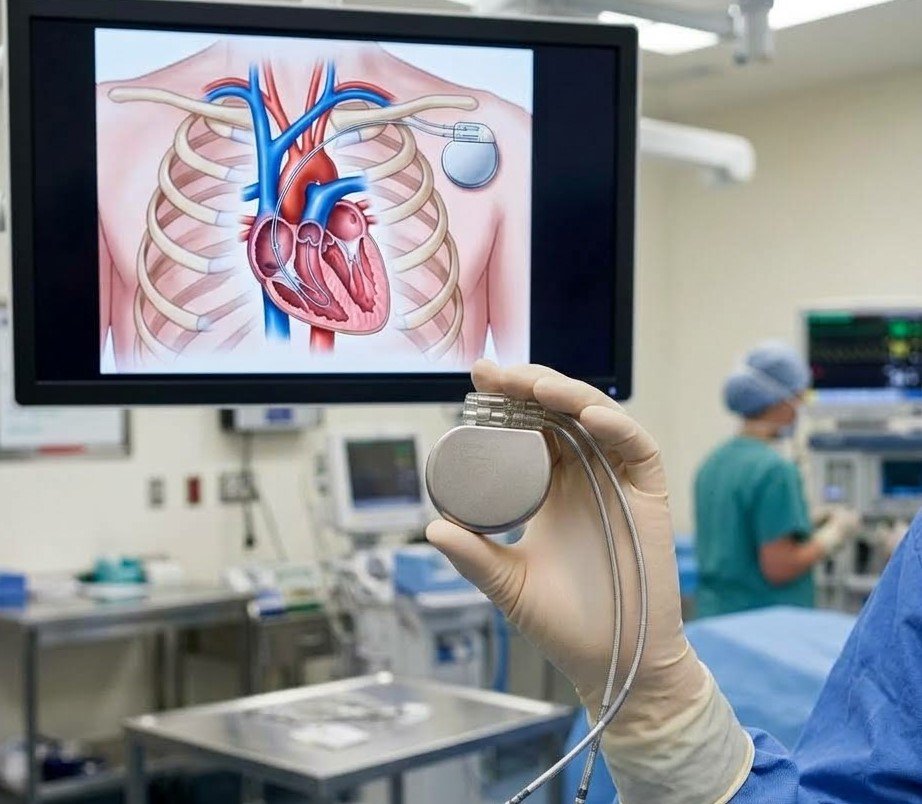
Pacemaker implantation is a procedure in which a small electronic device is positioned beneath the skin, commonly in the upper chest. Depending on the treatment requirement, one or more leads may be placed through a blood vessel and positioned within the heart.
The device monitors the heart’s rhythm and can provide electrical stimulation when the heartbeat becomes slower than the programmed range.
- A small pulse generator is positioned beneath the skin.
- Leads may be connected between the device and the heart.
- The heart rhythm is monitored during the procedure.
- Device settings are programmed according to individual requirements.
- Follow-up assessments help monitor pacemaker function.
Is Pacemaker Implantation Right for You?
A slow heartbeat does not automatically mean that a pacemaker is required. The underlying rhythm problem, symptoms and cardiac evaluation are considered before treatment is recommended.
Symptomatic Slow Heart Rate
Symptoms associated with inadequately slow heartbeat.
Heart Block
Disruption in the normal electrical signalling.
Rhythm-Related Fainting
Episodes of fainting linked to a documented rhythm problem.
Recurrent Dizziness
Repeated dizziness associated with abnormal heart rhythm.
Conduction Problems
Electrical signals require pacing support.
Individual Cardiac Assessment
Treatment Decisions As per Cardiac condition.
When Should You Consult an Cardiologist ?
Changes in heart rhythm can sometimes produce symptoms that interfere with everyday activities. Persistent or unexplained symptoms should be evaluated to identify their possible cardiac cause.
Schdule Your Heart Rhythm Check-UpSymptoms That Should Not Be Ignored
The Pathway To Pacemaker Implantation
Pacemaker implantation is carefully planned after evaluating the patient’s rhythm condition, required device type and overall health.
Take the Next Step for Your Heart
If you have experienced unexplained fainting, persistent dizziness, unusual fatigue or a documented slow heart rhythm, consult a cardiology specialist for a detailed evaluation.
What to Expect During Pacemaker Implantation?
From the initial cardiac assessment to post-procedure observation, every stage is planned according to the patient’s individual condition.
Hospital Arrival & Registration
Complete admission formalities and clinical assessment.
Pre-Procedure Cardiac Review
Anaesthesia administration & Preparation of surgical area.
Pacemaker Implantation
Pacemaker system is positioned and Lead placement.
Pacemaker Implantation
Pacemaker system is positioned and Lead placement.
Device Testing & Observation
Pacemaker function Assessment & Observation.
Supporting the Heart’s Electrical Rhythm
For patients who require pacing support, a pacemaker can help maintain an appropriate heart rhythm by providing electrical impulses when the heart rate becomes too slow.
Rhythm Support
Helps maintain an appropriate heart rate.
Personalised Programming
Adjusted Device settings according to cardiac needs.
Continuous Rhythm Sensing
Monitoring of heart rhythm according to its programmed settings.
Planned Long-Term Monitoring
Regular device assessments and pacemaker function evaluation.
Care That Continues After Surgery
Pacemaker implantation is followed by appropriate monitoring and guidance. Following the cardiologist’s instructions and attending scheduled device checks are important parts of ongoing care.
Stay Connected With Cardiac Care TeamFollow Wound-Care Instructions
Keep the implantation area cared for as advised.
Follow Activity Guidance
Gradually resume activities.
Continue Prescribed Medicines
Take medications recommended by your doctor.
Attend Device Check-Ups
Regular assessments for device monitoring.
Pacemaker Implantation FAQs
Answers to common questions about the procedure, recovery and after-care.
No. The need for implantation depends on the underlying rhythm problem, symptoms, ECG findings and overall clinical assessment.
Many patients gradually return to their regular activities after recovery. The timing and activity restrictions should be followed according to the treating cardiologist’s advice.
A balanced diet with vegetables, fruits, whole grains, pulses, lean protein and adequate fluids can support overall heart health.
The timing depends on your recovery, overall health and the type of activity. Light movement may begin early, while strenuous exercise and heavy lifting may need to be avoided.
Most patients need a period of rest during the initial recovery and the exact recovery period depends on the procedure and your overall health, so follow your cardiologist’s advice.
Not every stone is suitable for RIRS. Stone size, location, anatomy and your overall condition are considered before selecting the appropriate treatment.