
Gastritis Treatment for Stomach Inflammation Relief
Gastritis occurs when the protective lining of the stomach becomes inflamed or irritated that may develop suddenly or persist over time.
Some people experience upper abdominal discomfort, nausea, bloating, indigestion or a feeling of fullness after eating, while others may have few noticeable symptoms. Identifying the cause of gastritis is important.
If you frequently experience any symptoms consulting a gastroenterologist can help determine the possible cause and guide appropriate care.
✓
Advanced Diagnostic Facilities
Appropriate investigations for symptoms evaluation.
+
Specialist-Led Care
Gastroenterologist-guided assessment.
♥
Patient-Focused Treatment
Individualised care & illness management.
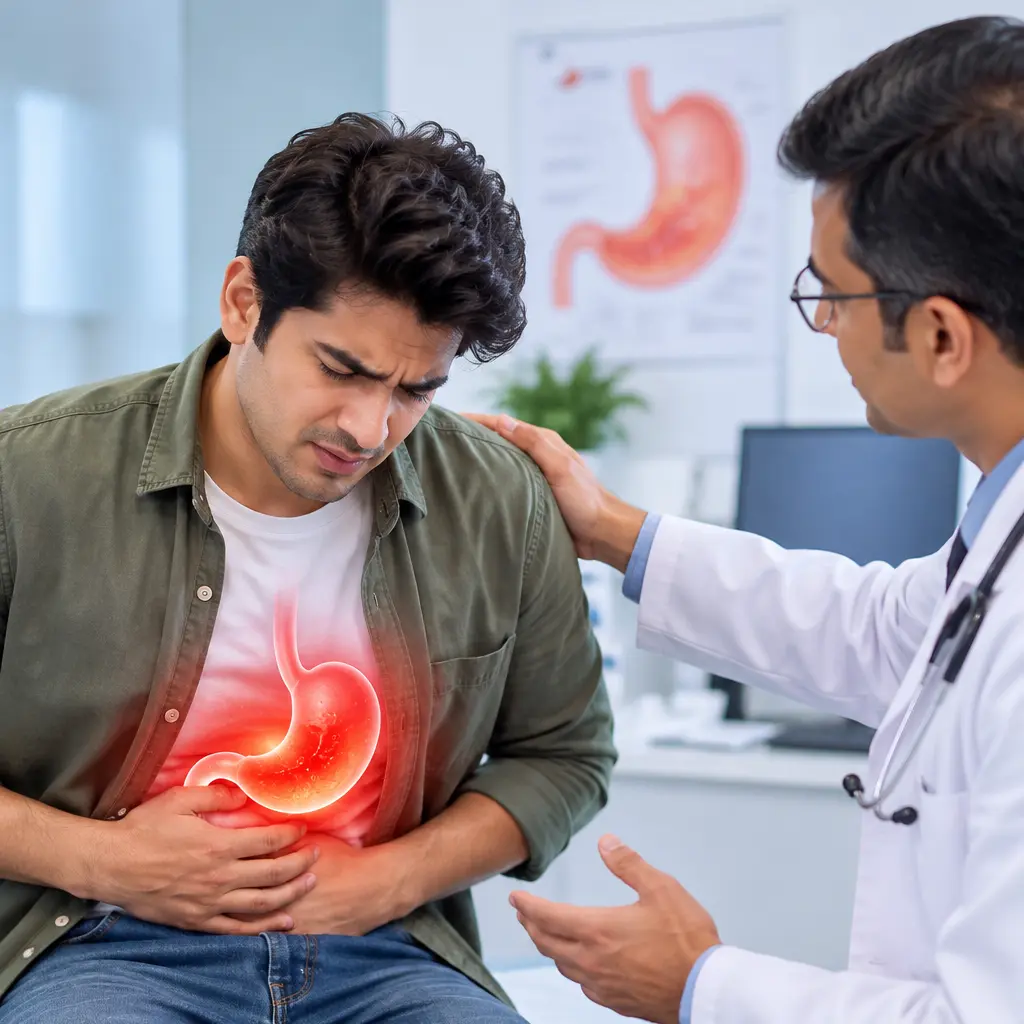
Specialist-Led Gastritis Treatment
Comprehensive Stomach Health Assessment
✓
Cause-Based Treatment Planning
Ongoing Digestive Health Support
◷
Detailed Gastric Assessment
Evaluation of stomach symptoms.
♥
Identify the Underlying Cause
Assessment for possible infection.
✓
Long-Term Digestive Support
Continued guidance to monitor.
+
Regular Follow-Up
Review of treatment response.
Right Treatment Begins With the Right Diagnosis
A proper clinical evaluation helps determine whether gastritis is responsible and whether additional investigations are needed to identify the underlying cause.

Dr. Kunal Kumar Gupta
Dr.NB ( Medical gastroenterology) DNB ( General medicine ), MBBS MTI – UK
18 Years Experience


Dr. Debojyoti Chakraborty
MBBS, MD – General Medicine DM – Gastroenterology
15+ Years Experience
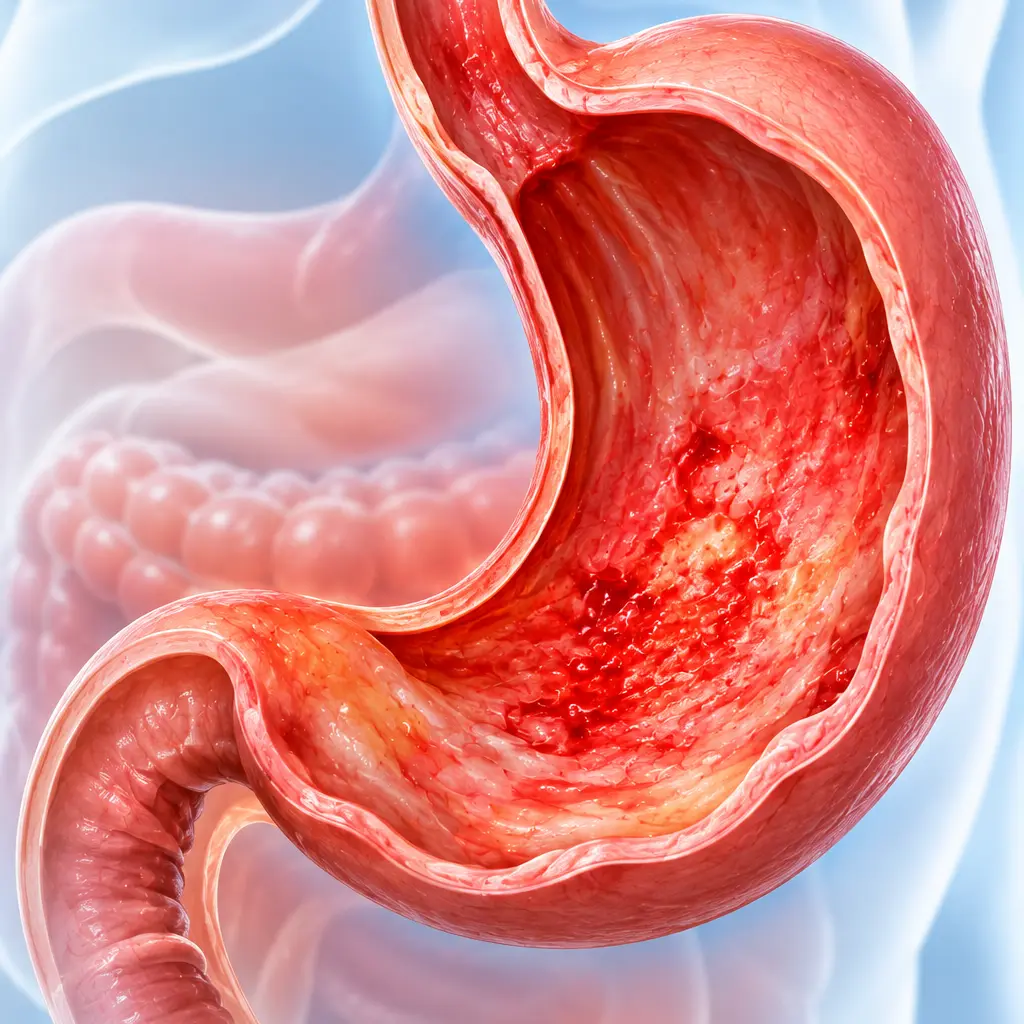
What Can Lead to Gastritis?
Gastritis develops when the stomach’s protective lining becomes inflamed. The condition may be associated with bacterial infection, certain medicines, autoimmune processes or other factors that affect the stomach lining.
Understanding the cause is an important part of treatment because persistent inflammation may require a different approach from short-term stomach irritation.
Common Factors Associated With Gastritis Are:
- Helicobacter pylori Infection
- Frequent Use of pain-relieving medicines
- Excessive Alcohol Consumption
- Autoimmune Gastritis
- Other Medical and Physical Factors
Understanding the Types of Gastritis
Gastritis can be classified according to its cause, duration and the changes occurring in the stomach lining.
Acute Gastritis
Inflammation develops over a short period and may be associated with medication use, alcohol or other irritating factors.
Chronic Gastritis
Inflammation persists over time and may be associated with H. pylori, autoimmune conditions or other ongoing causes.
Erosive Gastritis
The stomach lining develops erosions or superficial damage, which may sometimes lead to bleeding.
Autoimmune Gastritis
The immune system affects the stomach’s own cells, potentially interfering with vitamin B12 and iron absorption.
When Should You Consult a Gastritis Specialist?
Repeated stomach discomfort should not always be assumed to be acidity and medical evaluation can help establish the cause.
01
Upper Abdominal Discomfort
Recurring pain in upper abdomen.
02
Frequent Nausea
Repeated feelings of sickness.
03
Persistent Indigestion
Ongoing discomfort or fullness after eating.
04
Reduced Appetite
Less interest in food consumption.
05
Unexplained Weight Loss
Unexpected weight reduction with digestive condition.
06
Signs of Possible Bleeding
Black, tarry stools or others need attention.
How Is Gastritis Diagnosed?
Gastritis diagnosis involves reviewing symptoms, examining relevant medical history and identifying possible causes of stomach inflammation. The gastroenterologist may recommend additional investigations depending on symptom severity and clinical findings.
Schedule a Detailed Gastritis EvaluationTests and Examinations Used When Required
●
Medical and Medication History
●
Physical Examination
●
Assessment of Upper Abdominal Symptoms
●
H. pylori Breath Test or Stool Antigen Test
●
Upper Gastrointestinal Endoscopy
●
Stomach Tissue Biopsy During Endoscopy
●
Blood Tests to Assess Anaemia or Vitamin Deficiencies
●
Additional Investigations Based on Clinical Findings
How Is Gastritis Treated?
Gastritis treatment depends on its underlying cause, the degree of inflammation and the patient’s overall health.
01
H. pylori Eradication Treatment
Use of combined antibiotics & antacids.
02
Acid-Reducing Medicines
Prescribed Proton pump inhibitors to lining recover.
03
Review of Painkiller Use
Analysis of NSAIDs causing inflammation.
04
Dietary and Lifestyle Adjustments
Manage diet & habits causing gastritis.
05
Treatment for Specific Causes
Autoimmune gastritis needs targeted management.
Ready to Take the Next Step Towards Better Stomach Health?
Recurring indigestion, nausea and upper abdominal discomfort can interfere with eating habits and everyday activities. A specialist consultation can help identify whether gastritis is responsible and determine which treatment options may be appropriate.
What Happens During Gastritis Management?
Your gastritis care journey begins with a detailed consultation, a review of stomach symptoms and an assessment of possible factors affecting the stomach lining.
01
INITIAL ASSESSMENT
Analysis of symptoms & medical history.
CONSULTATION – As scheduled
02
DIAGNOSTIC EVALUATION
Clinical assessment for cause identification.
EVALUATION – As required
03
CAUSE-SPECIFIC TREATMENT
Appropriate medication of contributing factors.
TREATMENT – As advised
04
ADDITIONAL INVESTIGATIONS
Endoscopy, biopsy for adverse case.
PROCEDURE – Doctor’s guided
05
MONITORING AND FOLLOW-UP
After medications symptoms review.
CHECK-UP – As recommended
Benefits of Effective Gastritis Management
Appropriate gastritis management focuses on controlling inflammation, treating its cause and helping patients maintain better digestive health.
✓
Relief From Stomach Discomfort
Reduce associated pain, nausea and indigestion.
+
Supports Stomach Lining Recovery
Help the affected lining to heal.
◉
Reduces Ongoing Irritation
Limit further irritation of the illness.
↗
Addresses Nutritional Concerns
Help guide appropriate monitoring and treatment.
Care That Continues Beyond Initial Gastritis Treatment
Gastritis management may require continued attention even after symptoms begin to improve. The follow-up plan depends on the cause of inflammation, the treatment prescribed and whether complications are present.
Following medical advice can help address persistent symptoms and determine whether further evaluation is necessary.
✓
Follow the Prescribed Treatment
Take medicines as advised.
💧
Complete H. pylori Treatment
Follow the doctor’s advice on H.pylori eradication.
◷
Review Medicines and Lifestyle Factors
Discuss painkiller use & others with doctor.
+
Attend Follow-Up Appointments
Return for recommended reassessment.
Gastritis FAQs
Answers to common questions about the procedure, recovery and after-care.
Can gastritis be completely cured?
+
Many cases of gastritis improve or resolve when the underlying cause is treated. Recovery depends on the type of inflammation, its duration and whether there is ongoing damage to the stomach lining.
Is gastritis the same as acidity?
+
No. Gastritis refers to inflammation of the stomach lining, whereas acidity is a commonly used term for acid-related symptoms.
Which foods should I avoid during gastritis?
+
There is no single diet suitable for every person with gastritis. Limiting foods or drinks that consistently aggravate symptoms while avoiding excessive alcohol and smoking is advisable.
Can painkillers cause gastritis?
+
Yes. Certain NSAIDs can irritate or damage the stomach lining, especially with repeated use. Consult your doctor before stopping or changing any prescribed medication.
Is endoscopy necessary for every gastritis patient?
+
No. A gastroenterologist may recommend it depending on the symptoms, age, warning signs, treatment response and need to examine or sample the stomach lining.