Timely Heart Attack Treatment for Cardiac Recovery
A Heart Attack, medically known as Myocardial Infarction, occurs when blood flow to a part of the heart muscle becomes blocked or significantly reduced.
At Medithics Super Speciality Care, Heart Attack patients undergo detailed cardiac evaluation to understand the condition, identify the cause and determine the appropriate treatment approach.
If you experience sudden chest discomfort, breathlessness, unusual weakness or pain spreading towards the arm, back, neck or jaw, immediate medical attention is important.
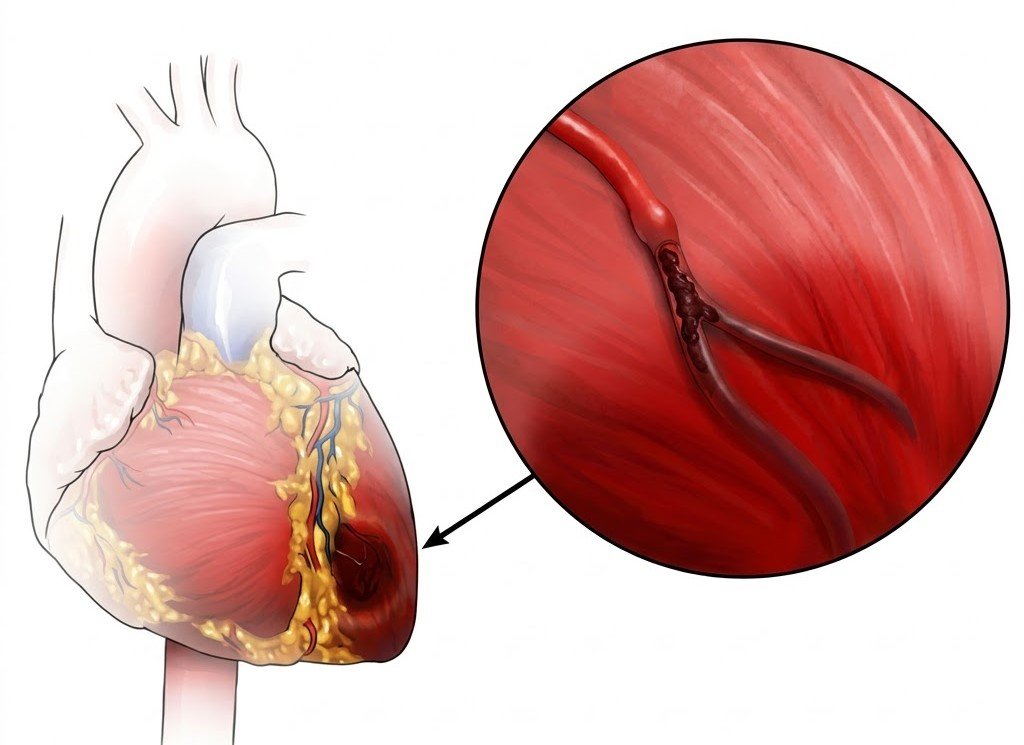

The Heart Attack Care Begins With Timely Evaluation
A suspected Heart Attack requires immediate cardiac assessment. Reviewing symptoms, ECG findings, blood tests and other investigations helps the cardiologist understand the condition and decide the appropriate treatment pathway.
Dr. Parijat Debchoudhury
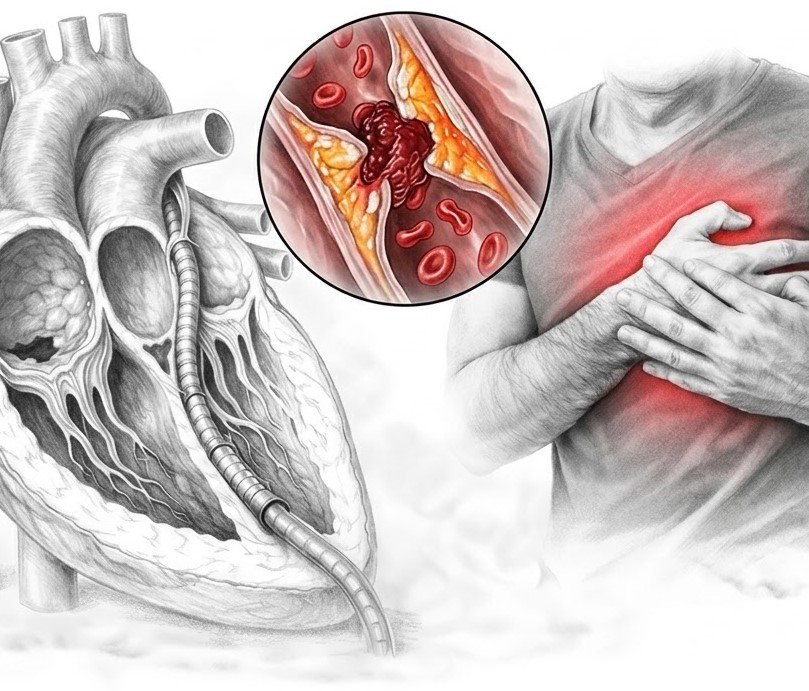
What Can Lead to a Heart Attack?
A Heart Attack can occur when blood supply through a coronary artery becomes blocked or severely restricted. In many cases, the blockage develops due to changes within the coronary arteries.
Common Factors Associated With Heart Attack Are-
- Coronary Artery Disease & Cholesterol Build-Up
- High Blood Pressure & Diabetes
- Smoking & Tobacco Use
- Obesity & Physical Inactivity
- Previous Heart Disease & Family History
Understanding Heart Attack
A Heart Attack is not always the same for every patient. The pattern of blood-flow blockage, ECG findings and extent of heart muscle damage can vary.
STEMI Heart Attack
Heart Attack for coronary artery blockage.
NSTEMI Heart Attack
Heart Attack with no ECG lead abnormality.
Acute Myocardial Infarction
Blocked blood flow causing heart muscle damage.
Coronary Artery Blockage
A narrowed or blocked coronary artery.
Recurrent Heart Attack
Continuous recurrence of heart attack.
Silent Heart Attack
A Heart Attack with no obvious symptoms
When Should You Consult an Cardiologist ?
Heart Attack symptoms can appear suddenly and may vary between individuals. Some symptoms may initially be mistaken for indigestion, tiredness or other problems. Any sudden or unexplained symptoms suggestive of a Heart Attack should receive urgent medical attention.
Schedule Your Heart Health ConsultationSymptoms That Should Not Be Ignored
How Is a Heart Attack Treated?
Heart Attack treatment depends on the type of Heart Attack, location of the blockage, extent of heart muscle injury and the patient’s overall condition.
Ready to Take the Next Step Towards Better Heart Health?
Timely evaluation after Heart Attack symptoms can help identify the cardiac problem and determine whether medication, angioplasty, stenting or another treatment approach may be appropriate.
What Happens During Any Heart Attack Treatment?
Your Heart Attack treatment journey begins with an urgent cardiac assessment. The exact process may vary depending on your symptoms, test results, type of Heart Attack and overall health condition.
Hospital Visit
Patient arrival followed by registration.
Initial Diagnostic Assessment
Review of symptoms, medical history and vital signs.
Medication-based treatment
Advise of medicines for less complicated cases.
Surgery-based Treatment
Doctor guided surgery for better health.
Follow-Up & Recovery
Continued cardiac monitoring & Care
Advantages of Taking Heart Attack Care
For patients experiencing a Heart Attack, timely medical evaluation and appropriate treatment can help address the immediate cardiac problem and support ongoing heart health.
Timely Cardiac Assessment
Helps identify the cardiac condition.
Restore Blood Flow
Treatment that improve blood flow.
Reduce Further Cardiac Risk
Management of underlying heart conditions.
Regular Heart Monitoring
Follow-up helps monitor heart function.
Care That Continues Beyond Heart Attack Treatment
Heart Attack care does not end after the initial emergency treatment. Follow-up is important for monitoring recovery, managing cardiovascular risk factors and reducing the possibility of further cardiac problems.
Speak With Our Cardiac Care TeamTake Medicines as Prescribed
Follow the scheduled medicine.
Follow Recommended Diet
Maintain a heart-friendly dietary plan.
Manage Cardiac Risk Factors
Keep other conditions under appropriate control.
Attend Regular Follow-Ups
Continue scheduled cardiac check-ups.
Heart Attack FAQs
Answers to common questions about the procedure, recovery and after-care.
Common symptoms can include chest pressure or discomfort, breathlessness, sweating, nausea, dizziness and discomfort spreading to the arm, back, neck or jaw.
No. Depending on the situation, doctors may recommend medicines, angioplasty and stenting, bypass surgery or other approaches.
Yes. Some people may experience mild or unusual symptoms rather than significant chest pain. Breathlessness, unusual weakness, nausea, sweating or discomfort in other areas can also occur.
A previous Heart Attack can increase the risk of future cardiac events. Regular follow-up, prescribed medicines and management of cardiovascular risk factors are important parts of ongoing heart care.
Recovery varies from person to person and depends on factors such as the extent of heart muscle damage, treatment received, overall health and response to treatment. Your cardiologist can guide you regarding activity and recovery.