
Dr. Debashis Adhikary
MBBS, MS – Orthopaedics | Orthopedic surgeon
20+ Years Experience
An ACL Tear is an injury to the Anterior Cruciate Ligament, one of the major ligaments that helps maintain stability of the knee. It commonly occurs during sudden twisting, landing, changing direction or sports-related injuries.
If knee instability, swelling or difficulty in movement continues after an injury, an Orthopaedic evaluation can help determine the extent of ligament damage and the appropriate treatment approach.
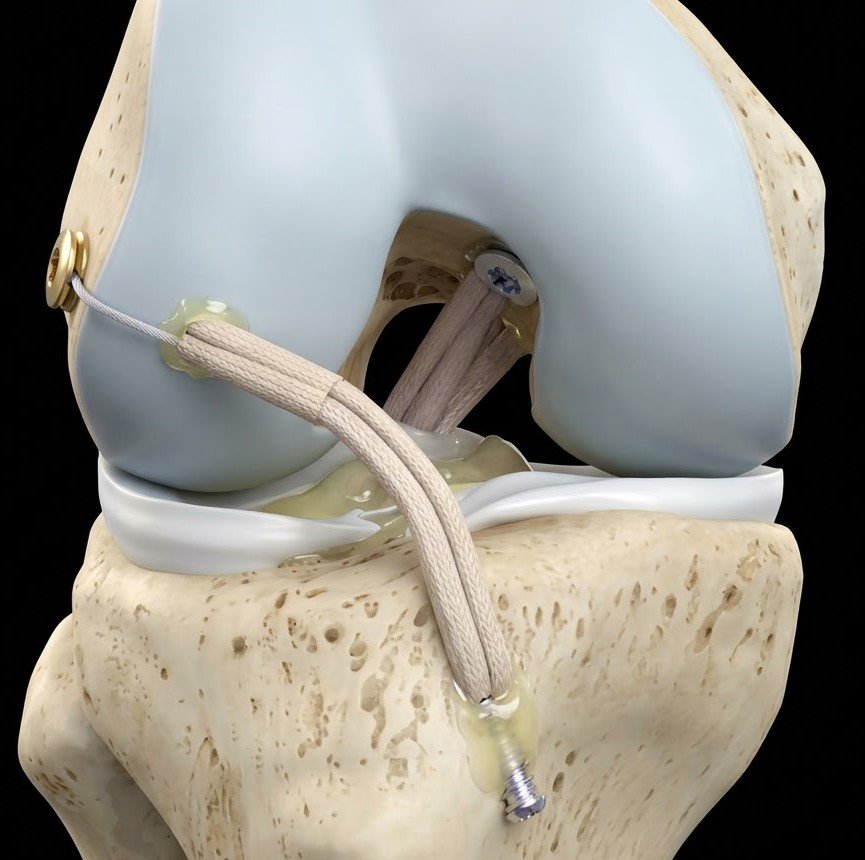
A proper evaluation helps determine the severity of the damage or injury for better treatment plan.
MBBS, MS – Orthopaedics | Orthopedic surgeon



MBBS, MD (PGT), MPT (Ortho), DFM (Medicine) (Govt. Medical Oficer, General Physician)

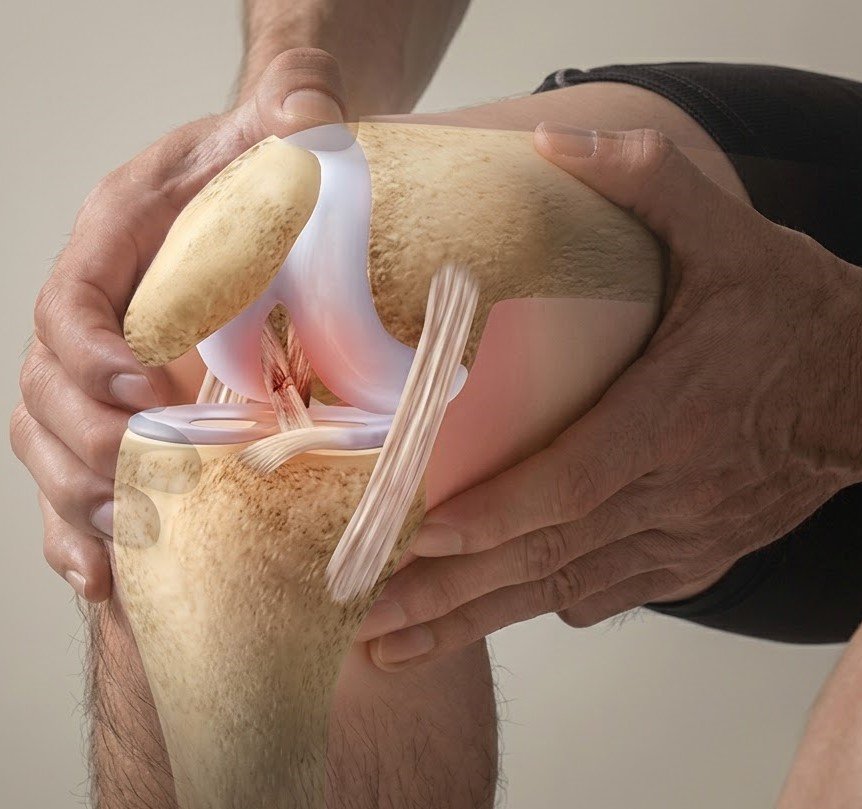
The Anterior Cruciate Ligament (ACL) connects the thigh bone to the shin bone and plays an important role in controlling forward movement and rotational stability of the knee. The suitable treatment depends on the severity of the injury, knee stability, associated damage and the individual’s activity requirements.
An ACL tear can be of different types-
An ACL injury may occur when the knee experiences a sudden force or unexpected movement. Surgery may be considered when the issues are affecting the daily life which need proper evaluation.
Rapidly changing direction creating stress on ACL.
Landing incorrectly after jumping increase twisting.
Football, basketball & others increases risk.
Stopping abruptly while running create stress.
A strong blow to the knee cause injury.
Women have high risk on that due to the physical variations.
An ACL injury may produce symptoms immediately or develop over the following hours. A popping sensation followed by swelling can occur with an ACL injury, although symptoms alone cannot confirm the diagnosis.
Schedule an Orthopaedic EvaluationDifferent types of injury needs various treatment approach and an orthopaedic specialist can evaluate your condition in better way.
This is the mild type of sprain where the ligament is nearly stretched.
A partial ligament injury that causes moderate instability.
A total ligament tear that results in severe knee instability and functional loss.
ACL diagnosis generally begins with a detailed clinical examination.
Knee ligament injuries affect daily life & key consideration on the symptoms is important to select the right treatment.
From pre-operative assessment to rehabilitation, each stage focuses on safe and progressive recovery.
Completion of medical evaluation & assessment.
Appropriate anaesthesia is administered.
The damaged ligament is reconstructed.
Receiving of post-surgery care.
Physiotherapy progression for quick recovery.
The primary objective of ACL reconstruction is to improve knee stability and support functional recovery.
Helps address instability caused damaged ACL.
Supports the gradual restoration.
Structured pathway towards physical activity.
Managing persistent instability.
Recovery does not end after the surgical procedure and rehabilitation is an important part of ACL treatment. Following the orthopaedic specialist surgery plan is important for better movement.
Speak With Our Post-Operative TeamProgressive exercises to rebuild knee strength.
Daily activities are increased gradually.
Regular reviews help monitor knee function.
Resume of sports and other activities.
Answers to common questions about Hip Replacement, recovery and after-care.
Some ACL injuries can be managed without reconstruction depending on the extent of injury, knee stability, symptoms and activity requirements.
No. Treatment depends on whether the tear is partial or complete, the level of knee instability, associated injuries and the patient’s functional requirements.
Walking may be possible after pain and swelling settle, but persistent instability should be medically evaluated. Continuing strenuous activity without assessment may not be appropriate.
Recovery varies considerably between patients. Rehabilitation is progressive and may continue for several months, particularly when the goal is a return to demanding sports.
Return to sports depends on strength, movement, stability, functional testing and rehabilitation progress. The timeline should be decided by the treating Orthopaedic Specialist and physiotherapy team.
Choose the consultation option that works best for you.