Laser Anal Fissure Surgery for Painful Bowel Movements
An anal fissure is a small tear in the delicate lining of the anal canal that can cause significant pain, burning and bleeding, especially during or after passing stool. It may develop after hard stools, constipation, repeated straining or irritation around the anal area.
At Medithics Superspeciality Care, anal fissure is assessed through a detailed clinical examination to understand the severity of the tear and identify factors that may be affecting healing.
Get your timely medical evaluation to prevent the condition from becoming persistent.
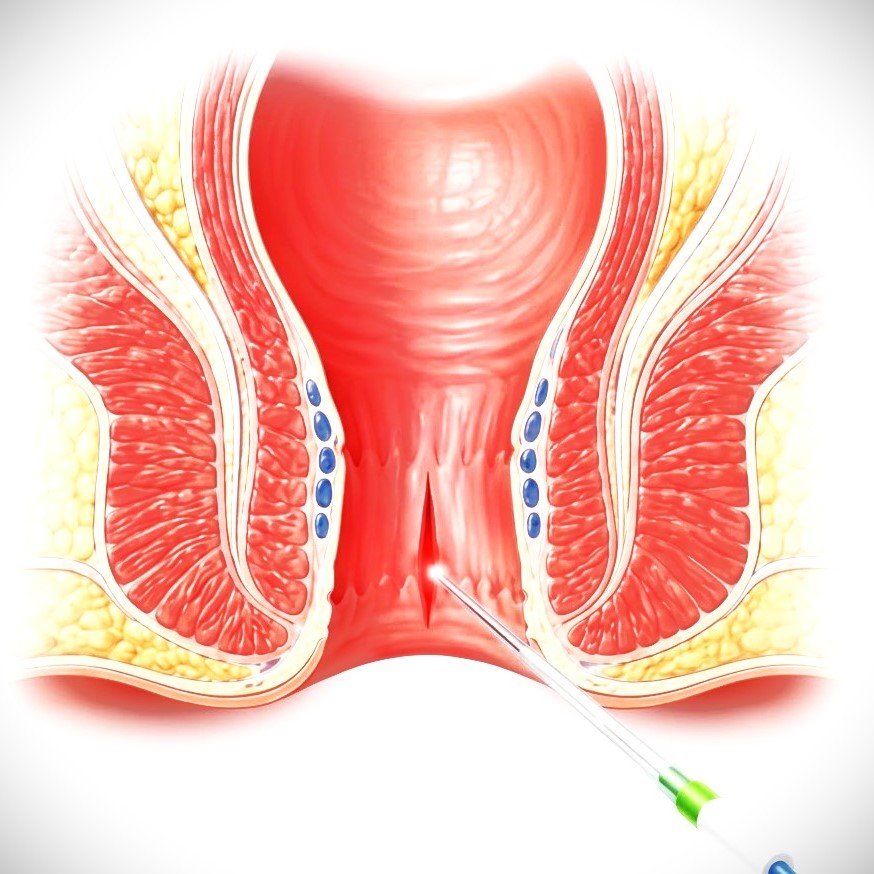
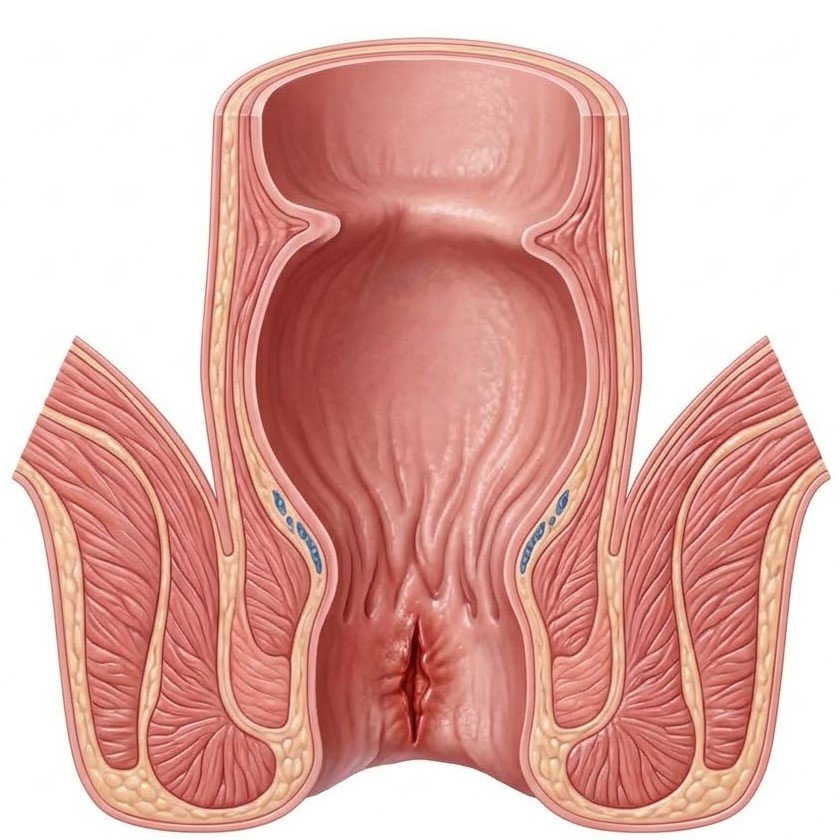
What Causes Anal Fissure?
An anal fissure can develop when the lining of the anal canal becomes stretched, irritated or injured. Hard stools and repeated straining are common triggers, while repeated bowel irritation may also interfere with healing.
In many cases we ignore the symptoms and avoid the consultation of doctor where the persistence of symptoms can adverse the condition towards malignancy.
Common factors associated with anal fissure include are:
- Constipation that put pressure on the anal lining.
- Repeated Straining that may contribute to a tear.
- Frequent Diarrhoea which can irritate the anal canal.
- Childbirth-Related Injury affect anal tissue.
- Local Irritation or Trauma contributes to fissure formation.
Types of Anal Fissure
Acute Anal Fissure
A recent fissure that develops suddenly and may heal with appropriate bowel management.
Chronic Anal Fissure
A fissure that persists or repeatedly returns and may be associated with ongoing sphincter tightness.
Idiopathic Fissure
A benign & non-cancerous tear that generally develop posterior or anterior midline of the anal canal.
Secondary Fissure
A type of fissure that specifically appears as multiple types which indicate something underlying issue.
When Should You Consult an Specialist?
Anal discomfort that repeatedly appears during bowel movements should not simply be ignored. Persistent or recurring symptoms require proper evaluation because similar symptoms may occur with other anorectal conditions.
Sharp Pain In Anal Region
Pain during Bowel Movement
Bright Red Bleeding
Fresh blood appearance in stool.
Burning or Irritation
Burning sensation around the anal opening.
Persistent Anal Discomfort
Pain or tenderness after passing stool.
Repeated Constipation
Hard stools irritate the fissure.
Small Skin Tag or Lump
A small lump develop near a long-standing fissure.
How Is Anal Fissure Diagnosed?
A specialist begins with your symptoms and medical history, followed by an examination of the anal region. The aim is to identify the fissure and determine whether further evaluation is needed.
Schedule an Expert Fissure EvaluationTests that done for further evaluation
How Is Anal Fissure Treated?
Treatment depends on whether the fissure is recent or persistent, the severity of symptoms and how well it responds to conservative treatment.
Ready to Move Beyond Persistent Fissure Pain?
Recurring pain during bowel movements, fresh bleeding or continued anal discomfort should not be ignored. An early specialist consultation can help identify the cause of your symptoms and determine whether medical management or a procedure may be appropriate.
What Happens During Anal Fissure Treatment?
Your treatment journey is planned according to the severity of the fissure and the procedure selected by your specialist.
Hospital Admission
Completion of admission formalities.
Pre-surgery Preparation
Analysis of Medical history treatment area preparation.
Anaesthesia Administration
Spinal or general anaesthesia administration.
Laser Fissure Treatment
Laser-assisted treatment for quick recovery.
Recovery & Observation
Patient monitoring, observation & discharge.
Benefits of Laser Anal Fissure Treatment
For appropriately selected patients, minimally invasive approaches may offer benefits during treatment and recovery.
Targeted Treatment
Direct Treatment in the affected area.
Limited Tissue Disruption
Minimally invasive approach without surrounding tissues disruption.
Reduced Post-Procedure Discomfort
Treatment that reduce discomfort during recovery period.
Earlier Return to Routine
Gradual & quick return to daily-life activities.
Care That Continues After Anal Fissure Treatment
Recovery does not end with the procedure and proper care and with lifestyle as well as medication management help in proper recovery.
Speak with our post-operative TeamFollow Prescribed Medicines
Take medicines as advised by specialist.
Keep the Area Clean
Maintain appropriate hygiene and post-surgery care.
Maintain Hydration & Fibre Intake
Take adequate fluids and suitable diet.
Avoid Excessive Straining
Do not force bowel movements.
Anal Fissure Treatment FAQs
Answers to common questions about the procedure, recovery and after-care.
Some recent fissures may improve with appropriate medical management, softer stools, adequate hydration and changes in bowel habits and the persistent ones need further treatment.
No and treatment depends on the duration, severity and response to conservative management.
Recurrence can occur, particularly when constipation, hard stools or repeated straining continue.
A suitable fibre-rich diet along with adequate fluid intake can help maintain softer stools and reduce straining.
No single procedure is suitable for every patient and the appropriate treatment depends on the type and duration of the fissure, symptoms and clinical findings.