
Dr. Dipayan Biswas
MBBS(Cal), MS(ENT) (Cal) (IPGMER/SSKM), Consultant ENT & Head-Neck Surgeon, Specialist in Microlaryngeal Head – Neck Surgery & Endoscopic Sinus Surgery AMRI (Saltlake)
Sinusitis occurs when the lining of the sinuses becomes inflamed, causing problems such as nasal blockage, facial pressure, headache, mucus discharge and reduced sense of smell.
While many mild cases improve with appropriate medical care, persistent or recurring sinus symptoms may require a detailed ENT evaluation to identify the underlying cause and determine the right treatment approach.
If you regularly experience blocked nose, facial pressure, headaches, post-nasal mucus an ENT specialist can assess your symptoms and recommend suitable sinus treatment.
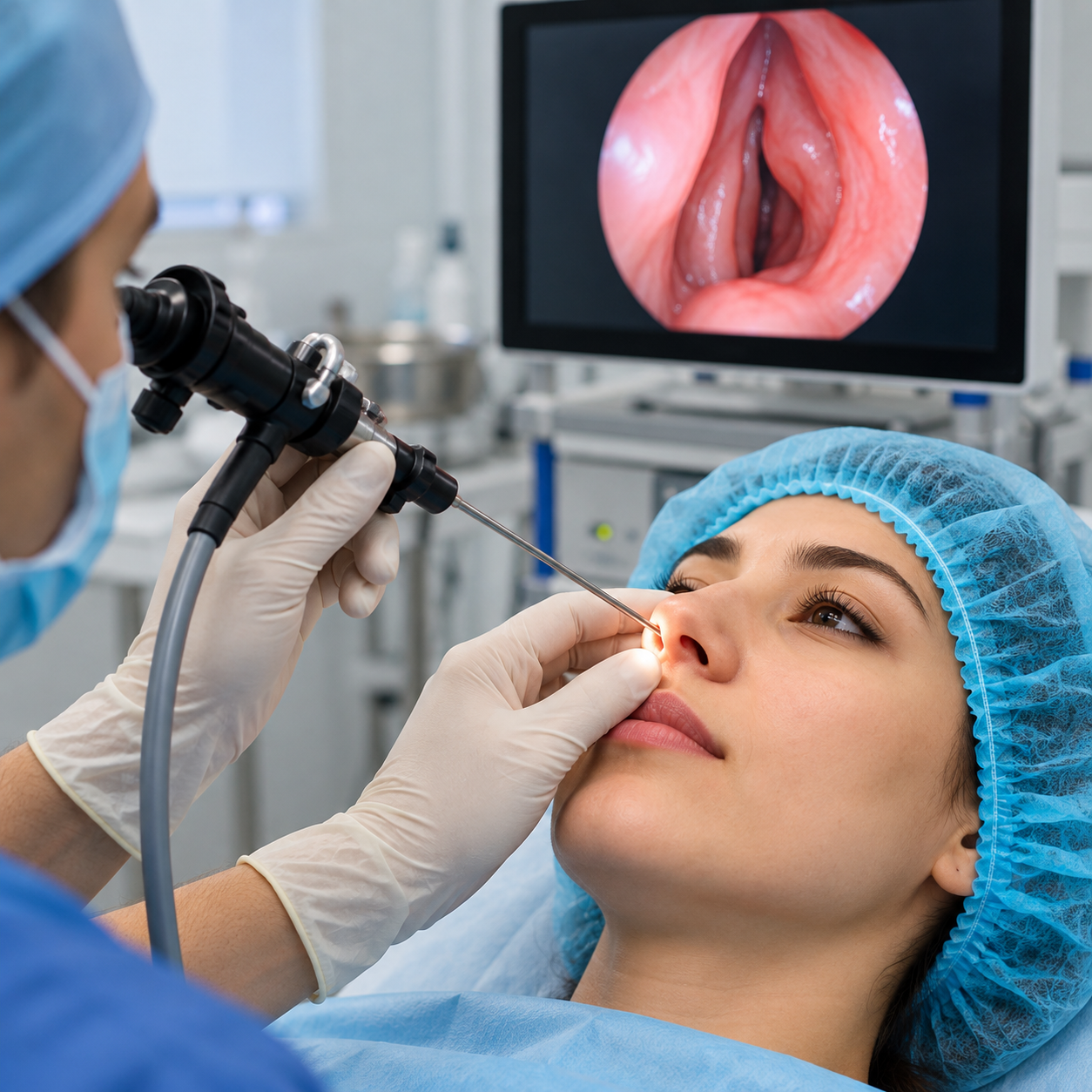
A proper evaluation helps determine the severity of the damage or injury for better treatment plan.
MBBS(Cal), MS(ENT) (Cal) (IPGMER/SSKM), Consultant ENT & Head-Neck Surgeon, Specialist in Microlaryngeal Head – Neck Surgery & Endoscopic Sinus Surgery AMRI (Saltlake)


Sinus problems can develop when the normal drainage and airflow pathways of the sinuses become affected by inflammation, infection or blockage. Sinusitis commonly occurs after respiratory infections such as a cold or flu, but allergies, nasal problems and other factors may also contribute.
When inflammation causes swelling inside the nose and sinuses, mucus may not drain normally, resulting in congestion, pressure and other symptoms.
Common Factors Associated With Sinus Problems Are-
Acute sinusitis develops over a relatively short period, often following a cold or other respiratory infection and the symptoms may include nasal blockage, discharge, facial pressure and reduced smell.
Some people experience repeated episodes of sinus inflammation or infection & identifying factors that contribute to these repeated episodes can help guide further treatment.
Chronic sinusitis involves persistent inflammation and symptoms over a longer period & it may require a more detailed ENT assessment when symptoms continue despite appropriate medical treatment.
Nasal polyps are soft tissue growths that can contribute to nasal blockage and may make sinus symptoms more difficult to control.
Occasional nasal congestion does not always require specialist treatment and proper evaluation is helpful to understand the underlying cause.
Breathing difficulty through nose.
Pressure or discomfort around the face.
Headache associated with sinus symptoms.
A noticeable smell reduction ability.
Persistent nasal discharge with symptoms.
Repeated attacks of sinus symptoms.
A detailed ENT assessment helps determine whether symptoms are related to sinus inflammation and whether there may be an underlying nasal or sinus blockage. The diagnostic approach depends on the symptoms, duration of the condition and findings during examination.
Schedule a Detailed Sinus EvaluationSinus treatment depends on the underlying cause, duration and severity of symptoms. Many cases can be managed with medical treatment and supportive care, while persistent or chronic sinus disease may require specialist intervention.
Persistent sinus symptoms can affect breathing, sleep, concentration and everyday comfort. Getting the condition evaluated can help determine whether medical treatment is sufficient or whether further ENT management is required.
The treatment journey starts with a detailed ENT consultation and progresses according to the patient’s symptoms and diagnosis.
Discussion of symptoms & medical history.
Nasal examination & additional investigations.
Medication-based care as diagnosed.
Endoscopic process for persistent cases.
Patient monitoring & Release
Effective sinus care focuses on controlling inflammation, improving nasal function and addressing factors responsible for persistent or recurrent symptoms.
Helps in managing nasal and sinus obstruction.
Manage sinus symptoms & others.
Reduce repeated problems in patients.
Continued monitoring for chronic problems.
Sinus care may continue even after symptoms begin to improve. Following the ENT specialist’s recommendations can help maintain nasal health and monitor persistent or recurring symptoms.
For patients undergoing sinus surgery, post-operative instructions are tailored according to the procedure and individual recovery.
Speak With Our ENT Care TeamFollow the nasal-care routine recommended by your ENT specialist.
Drink sufficient fluids as advised.
Try to reduce exposure to smoke.
Use prescribed medicines as guided.
Answers to common questions about Hip Replacement, recovery and after-care.
Yes. Many cases, particularly acute sinusitis associated with viral infections, improve without surgery or antibiotics.
In most of the cases allergies contribute to nasal inflammation and congestion, which may worsen sinus-related symptoms.
Less spicy food with high fibre is recommended after surgery for better recovery followed by drinking balanced amount of water.
Yes. Some people experience recurrent sinus symptoms and it may be associated with factors such as allergies, ongoing inflammation, nasal polyps or structural problems.
No. Sinus problems can occur in children as well as adults & the appropriate assessment and treatment depend on the child’s age, symptoms and clinical findings.
Choose the consultation option that works best for you.