
Dr. Debashis Adhikary
MBBS, MS – Orthopaedics | Orthopedic surgeon
20+ Years Experience
Hip Replacement is a surgical treatment for a severely damaged or painful hip joint where the affected joint surfaces are replaced with artificial components to improve movement and reduce pain.
If persistent hip pain is limiting your walking, daily activities or quality of life, consult an experienced Orthopaedic Specialist to understand whether Hip Replacement may be suitable for you.
A proper evaluation helps determine the severity of the damage or injury for better treatment plan.
MBBS, MS – Orthopaedics | Orthopedic surgeon



MBBS, MD (PGT), MPT (Ortho), DFM (Medicine) (Govt. Medical Oficer, General Physician)

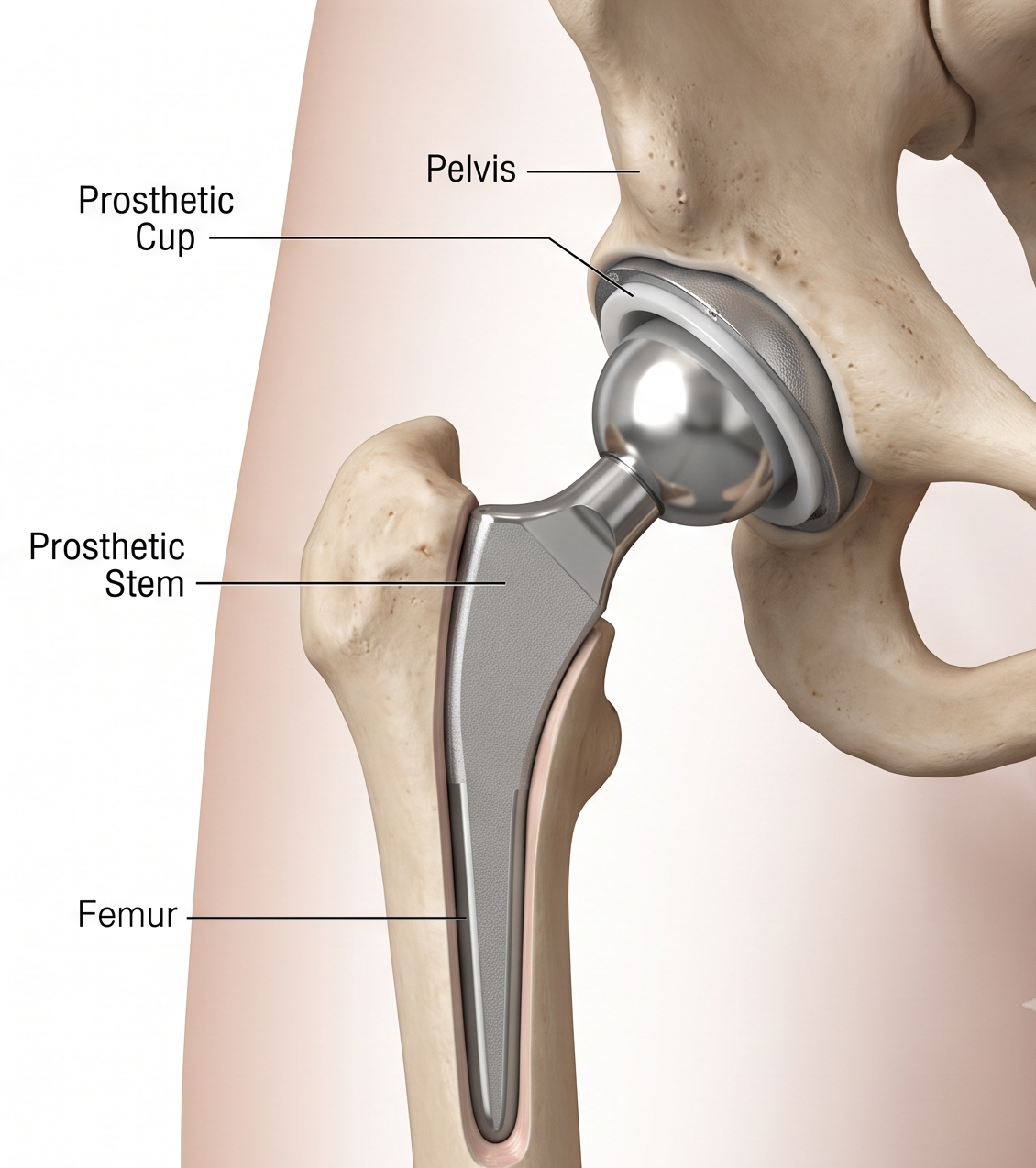
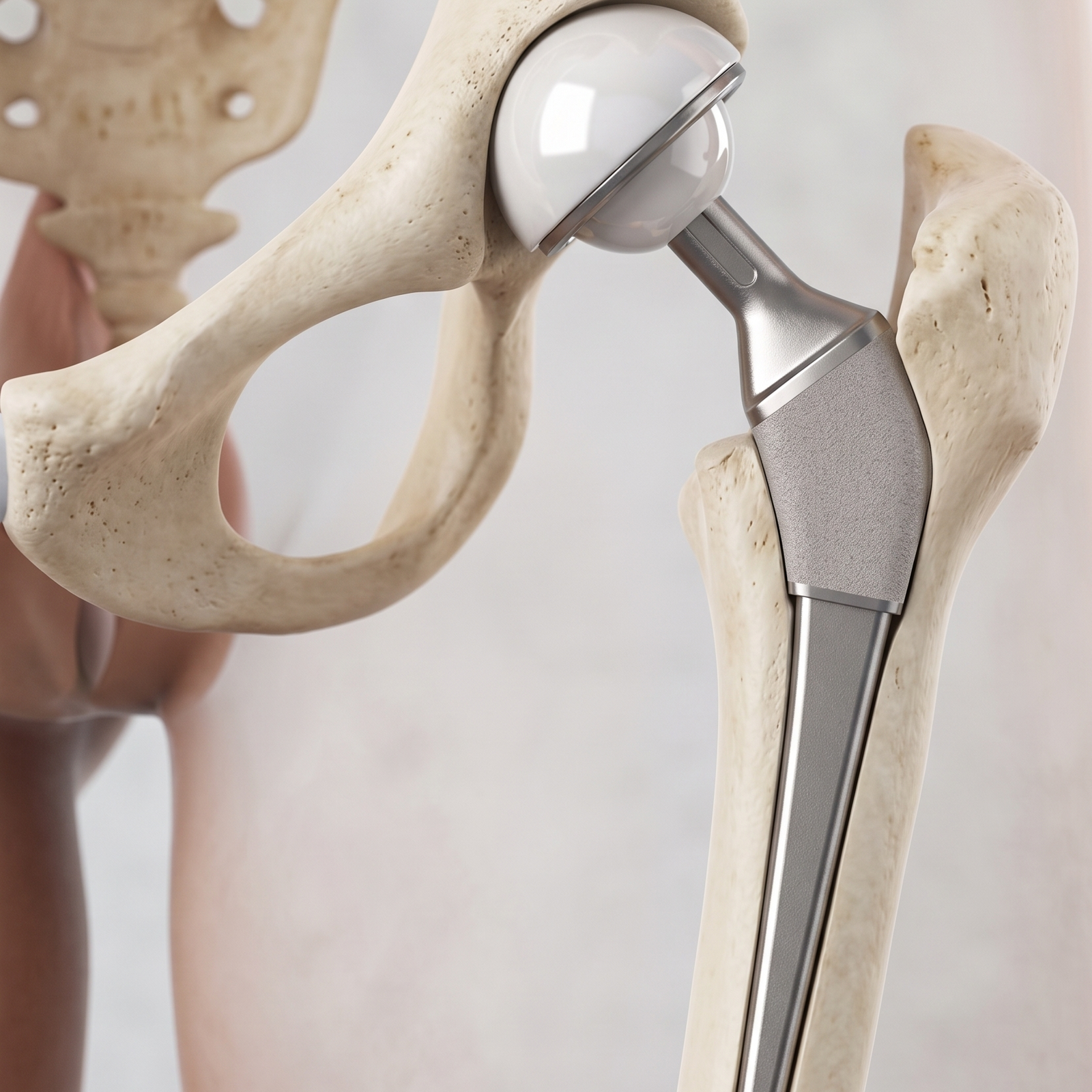
Hip Replacement is a surgical procedure in which damaged parts of the hip joint are removed and replaced with artificial components.
The hip is a ball-and-socket joint. During a total hip replacement, the damaged femoral head and affected socket surface are replaced with suitable implant components. The aim is to reduce pain and restore smoother joint movement.
The exact surgical technique and implant choice depend on factors such as joint damage, bone quality, age, activity level and overall health.
Not every hip condition requires joint replacement. Surgery may be considered when significant joint damage causes persistent symptoms and other treatment approaches no longer provide adequate relief.
Severe joint wear causes persistent pain and stiffness.
Pain continues despite appropriate treatment.
Hip stiffness makes movements difficult.
Significant damage in hip area.
Certain severe fractures need joint replacement.
Hip problems interfere with everyday movement.
Persistent hip pain should not always be considered a normal part of ageing. Difficulty walking, reduced movement or pain that continues despite treatment may indicate an underlying joint problem requiring medical evaluation.
Schedule an Orthopaedic EvaluationSurgery Variations That Depends On Age, Joint Damage & Others
The most popular operation is a total hip replacement where artificial implants are used to replace the hip joint’s socket (acetabulum) and ball (femoral head).
Within this process, only the femoral head is replaced in a partial hip replacement, leaving the natural socket intact and for several forms of hip fractures, particularly in elderly persons, this treatment is frequently carried out.
Compared to regular surgery, minimally invasive hip replacement requires fewer surgical incisions that reduces tissue damage, decrease surgery-related pain & others.
When a prior hip replacement fails because of implant wear, loosening, infection, or dislocation, hip revision surgery is carried out.
Your Hip Replacement journey is planned around your medical condition, surgical requirements and recovery goals.
When hip pain starts affecting your walking, sleep or everyday activities, timely Orthopaedic evaluation can help identify the right treatment pathway.
From your first assessment to rehabilitation, every stage is planned to support a safe and structured recovery.
Easy admission process & Checking of vital signs.
Test Confirmation & pre-surgical evaluation.
Administration of spinal or general anaesthesia.
Replaced of joint surface with planned artificial components.
Post-operative monitoring and guidance.
When severe hip joint damage continues to affect mobility and quality of life, Hip Replacement may provide a pathway towards improved joint function.
Reduce joint damage related pain.
Supports movement in replaced joint.
Improve functional use of the hip.
Easier daily movements after recovery.
Successful recovery does not end with the operation. Following the Orthopaedic Specialist rehabilitation plan is important for gradually restoring strength, movement and confidence.
Speak With Our Post-Operative TeamHelp in progressively improve strength and joint mobility.
Increasing of daily activities as per recovery.
Follow-up appointments for healing.
Attend regular reviews & check-up.
Answers to common questions about Hip Replacement, recovery and after-care.
After surgery patient should focus on combination of high-protein & high fibre diet to reduce constipation.
It may be considered when severe hip damage causes persistent pain and mobility problems despite appropriate non-surgical treatment.
The duration varies depending on the patient’s condition, surgical approach and complexity of the procedure.
Anaesthesia is used during surgery to prevent pain. Some discomfort can occur after surgery and is managed with prescribed medication and appropriate care.
Many patients begin assisted movement soon after surgery when medically appropriate. The exact timeline depends on the patient’s condition and the surgeon’s advice.
Choose the consultation option that works best for you.