Anal Fistula Treatment for Persistent Anal Discomfort
An anal fistula is an abnormal passage that can develop between the anal canal and the skin around the anus, often following an infection or perianal abscess. At Medithics Superspeciality Care, anal fistula is evaluated through a detailed clinical assessment to understand the location and extent of the fistula before deciding on the appropriate treatment approach.
If you have a recurring swelling, pus discharge or an opening near the anus, do not ignore the symptoms. Early evaluation can help your surgeon plan appropriate treatment.
The Right Treatment Begins With the Right Diagnosis.
A proper examination for fistula helps the surgeon understand the fistula’s pathway, its complexity and its relationship with the anal sphincter muscles. Consultation with a proctology specialist will be helpful to manage the symptoms properly.
Dr. Prasenjit Bhattacharya
What Causes Anal Fistula?
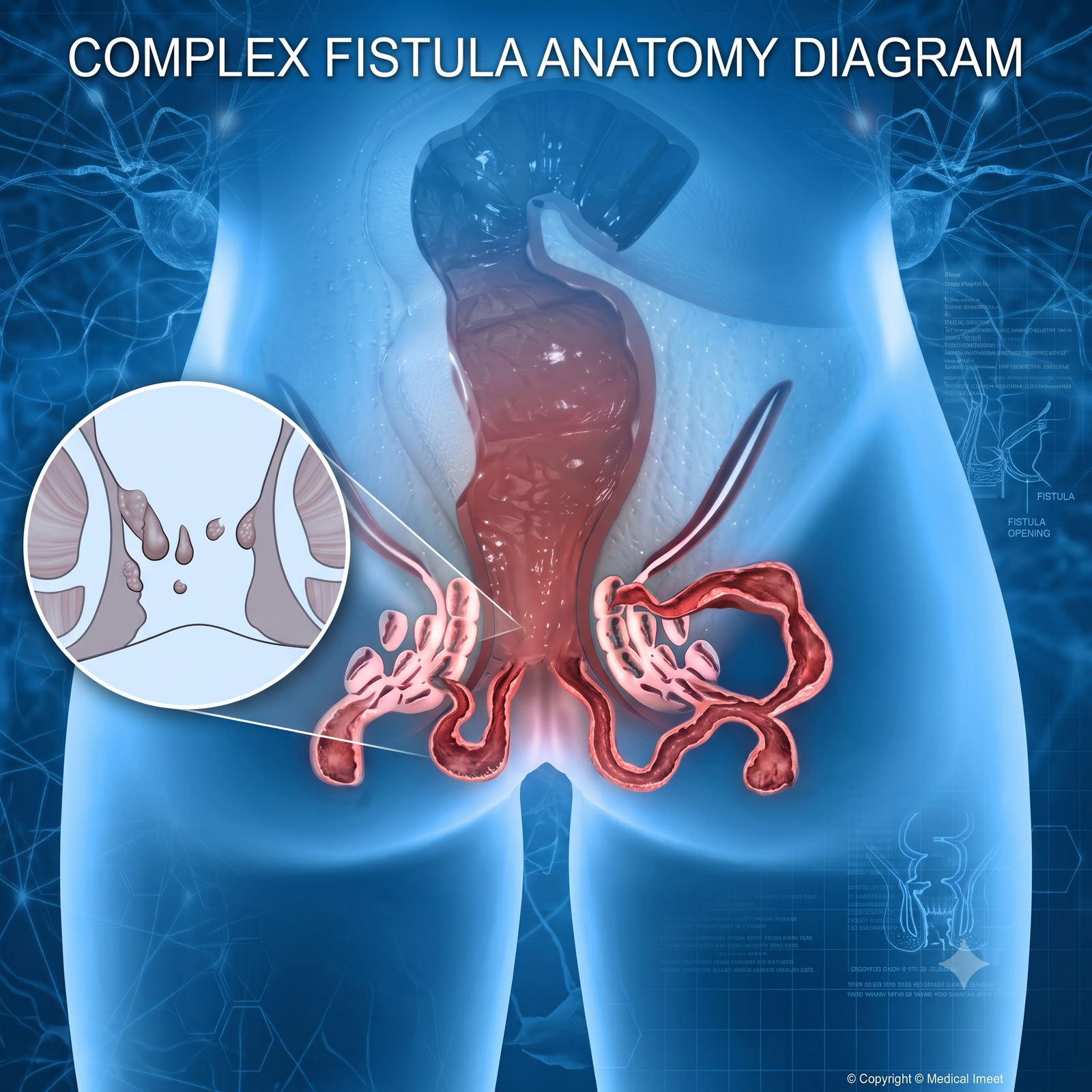
An anal fistula often develops following an infection in the glands around the anus. When this infection forms an abscess and the affected area drains, a tract may remain between the anal canal and the surrounding skin.
- Some commonly associated factors include
- Perianal Abscess near the anus.
- Persistent Infection that continue or return.
- Recurrent Abscess be associated with an underlying fistula.
- A small opening or wound that does not completely heal
- Blood in stool
Types of Anal Fistula
Suprasphincteric Fistula
An infection that spreads from an abscess is typically the source of a suprasphincteric anal fistula, which extends over the internal sphincter muscle.
Extrasphincteric Fistula
Extrasphincteric anal fistula is typically brought on by a persistent infection and extends past the external sphincter muscle.
Intersphincteric Fistula
It is situated between the anus’s internal and external sphincter muscles. It is the most prevalent kind of anal fistula and is typically brought on by an anal gland infection.
Transsphincteric Fistula
It passes via the anus’s internal and external sphincter muscles. An infection that spreads from an abscess is typically the reason.
When Should You Consult an Specialist?
Do not ignore symptoms around the anus simply because they appear mild or come and go. Recurrent symptoms may indicate an underlying fistula.
Persistent Anal Discharge
Pus or fluid continues to come from anus opening.
Recurrent Swelling
A painful lump repeatedly in the same area.
Pain or Tenderness
Painful area near anus.
Skin Irritation
Continuous drainage around the anal opening.
Repeated Abscess
Continuous developed of abscess.
Discomfort During Bowel Movement
Pain or discomfort while passing stool.
How Is Anal Fistula Diagnosed?
A proper diagnosis helps the surgeon understand whether a fistula is present and identify the pathway of the tract. Based on your symptoms, proper evaluation will be required to understand the actual treatment.
Schedule an Expert Fistula EvaluationTests that done for medical evaluation
How Is Anal Fistula Treated?
Treatment depends on the location, depth and complexity of the fistula. The surgeon also considers whether the fistula involves the anal sphincter muscles.
Ready to relieve from fistula related issues?
Persistent discharge, recurring swelling or repeated abscess around the anus should not be ignored. Get your symptoms evaluated by an experienced specialist and understand which treatment approach may be suitable for your condition.
What Happens During Anal Fistula Treatment?
Your treatment journey is planned according to the type of fistula and the procedure selected for you.
Hospital Admission & Initial Evaluation
Complete admission formalities and final clinical assessment.
Pre-Surgery Preparation
Review of medical history & surgical area preparation.
Anaesthesia Administration
The appropriate type of anaesthesia is administered so that you remain comfortable during the procedure.
Fistula Treatment
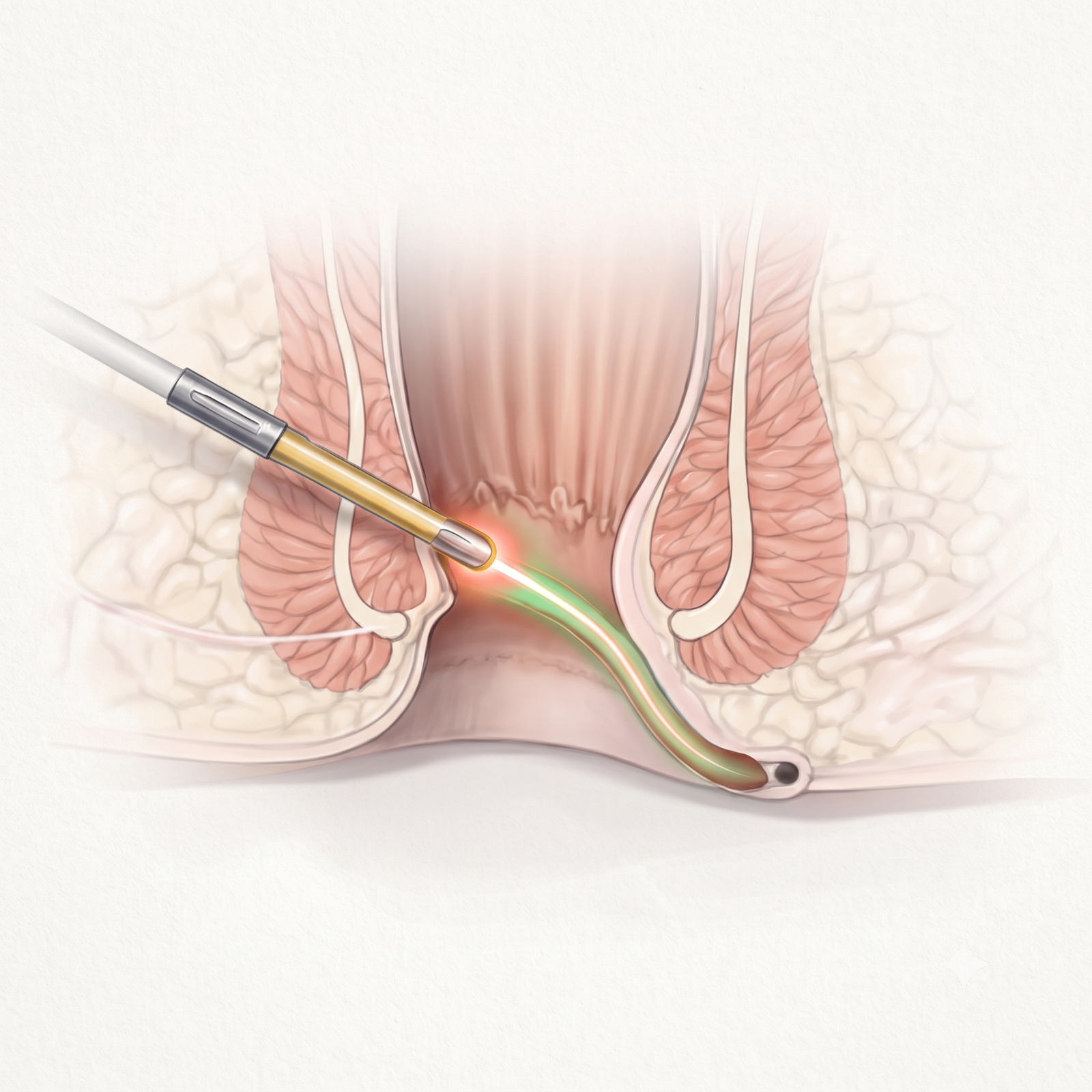
Use of Laser, fistulotomy, fistulectomy for treating fistula.
Recovery & Observation
Patient monitoring & post-operative concerns.
Benefits of Laser Anal Fistula Treatment
Laser-assisted treatment may offer certain advantages in appropriately selected patients.
Minimally Invasive Approach
Planned Treatment through the fistula tract with limited tissue disruption.
Reduced Tissue Trauma
Internal treatment with less tissue disruption.
Less Post-Operative Discomfort
Less discomfort during recovery.
Faster Return to Routine
Quick return to the normal activities
Care That Continues Beyond Anal Fistula Surgery
Recovery is an important part of fistula treatment. Your healing period can vary depending on the procedure performed, fistula complexity and individual health.
Following your surgeon’s instructions can support proper wound healing and reduce the risk of complications.
Prescribed Medicines
Take all medicines properly.
Keep the Area Clean
Follow the wound-cleaning and hygiene instructions.
Maintain Hydration & Suitable diet
Drink sufficient fluids and balanced diet.
Scheduled Follow-Up
Attend follow-up appointments for quick healing.
FREQUENTLY ASKED QUESTIONS
Answers to common questions about the procedure, recovery and after-care.
An anal fistula generally requires medical evaluation and often needs a procedure to treat the persistent tract. Do not rely on home remedies without consulting a specialist.
Treatment depends on the fistula’s type and complexity. Your specialist will determine whether a surgical procedure is required and which approach is appropriate.
Recovery varies according to the procedure, fistula complexity and individual healing. Your surgeon can provide a more specific recovery timeline after evaluating your condition.
Recurrence is possible after treatment. Complete treatment of the fistula tract, appropriate post-operative care and scheduled follow-up are important for monitoring healing.
A balanced diet containing adequate fibre and fluids may help maintain softer stools and reduce straining.