
Advanced Appendectomy for Safe Appendix Removal
Appendicitis occurs when the appendix, a small pouch attached to the large intestine, becomes inflamed and infected.
At Medithics Super Speciality Care, patients with suspected appendicitis are evaluated through a detailed clinical examination and appropriate diagnostic tests. If you experience worsening abdominal pain, especially pain that moves towards the lower-right side, along with nausea, vomiting, fever or loss of appetite, timely medical evaluation is important.
✓
Modern Surgical Facilities
Well-equipped facilities for surgical options.
+
Specialist-Led Treatment
Surgical care by experienced specialists
♥
Recovery Guidance
Clear instructions and follow-up support
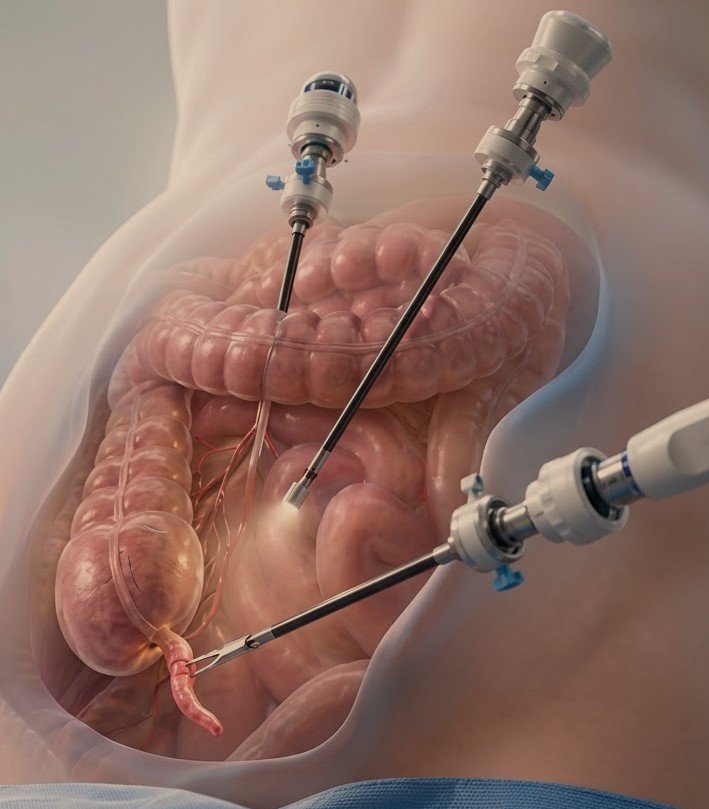
Specialist-Led Appendicitis Care
Advanced Appendix Removal Surgery
✓
Laparoscopic & Open Surgical Options
Comprehensive Pre & Post-Operative Care
◷
Detailed Evaluation
Proper clinical examination of patients.
♥
Appropriate Surgical Planning
Suitable appendix removal technique.
✓
Minimally Invasive Surgical Care
Laparoscopic appendectomy consideration.
+
Comprehensive Treatment Journey
Guided approach towards treatment.
Right Treatment Begins With the Right Diagnosis
Proper evaluation for gastric care can be helpful to decrease the disease progression and live a healthy life.

Dr. Kunal Kumar Gupta
Dr.NB ( Medical gastroenterology) DNB ( General medicine ), MBBS MTI – UK
18 Years Experience


Dr. Debojyoti Chakraborty
MBBS, MD – General Medicine DM – Gastroenterology
15+ Years Experience
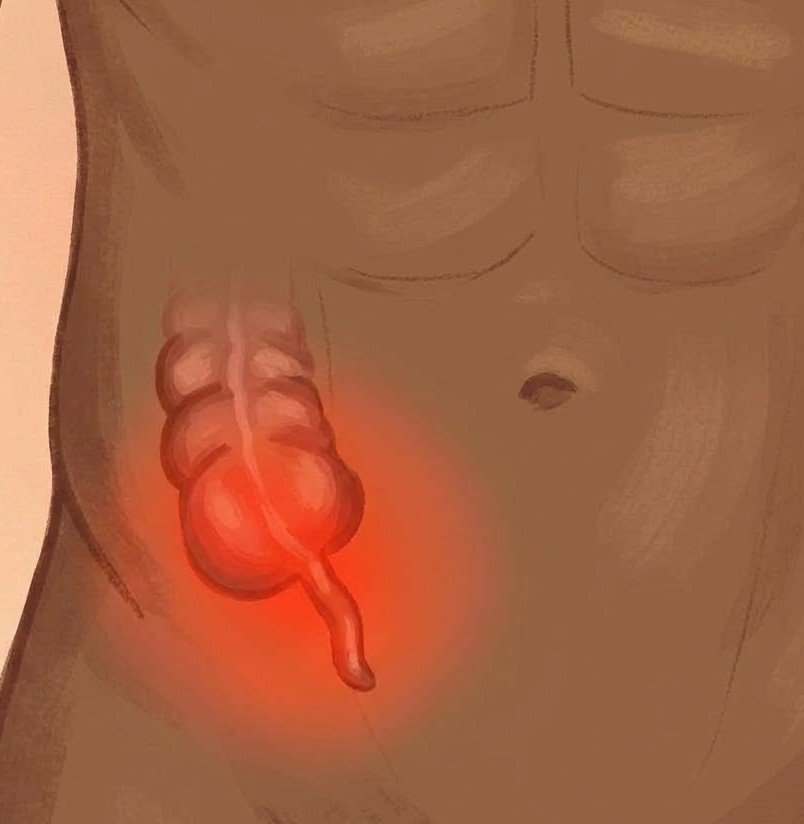
What Can Lead to Appendicitis?
Appendicitis develops when the appendix becomes blocked or inflamed. The exact reason may differ between individuals.
Common Factors Associated With Appendicitis Are
- Blockage inside the Appendix
- Hardened Stool or Faecal Material
- Infection Within the Digestive Tract
- Swollen Lymphatic Tissue
- Inflammatory Conditions of the Intestine
Understanding Appendicitis
Appendicitis can present differently depending on how quickly the inflammation develops and whether complications have occurred.
Acute Appendicitis
Symptoms generally develop over a short period and may progressively become more severe.
Recurrent Appendicitis
Some patients may experience repeated episodes of abdominal pain and inflammation.
Complicated Appendicitis
In some cases, inflammation may be associated with perforation, an abscess or infection within the abdominal cavity.
Perforated Appendix
If severe inflammation causes a hole in the appendix, infected material can spread into the surrounding abdominal area.
When Should You Consult an Appendix Specialist?
Appendicitis symptoms can resemble other digestive or urinary conditions. Persistent or worsening abdominal symptoms should therefore be medically evaluated.
01
Lower Right Abdominal Pain
Prominent pain in the lower-right part of the abdomen.
02
Pain Around the Belly Button
Discomfort and pain surrounding the belly button.
03
Nausea or Vomiting
Abdominal inflammation with nausea or vomiting.
04
Loss of Appetite
A sudden reduction in appetite.
05
Fever
Fever due to inflammation or infection
06
Constipation or Diarrhoea
Changes in bowel movements.
How Is Appendicitis Diagnosed?
A detailed evaluation helps determine whether the appendix is inflamed and whether complications such as perforation or an abscess may be present.
Schedule a Detailed Appendicitis EvaluationTests & Examinations To Diagnose Appendicitis
●
Medical History
●
Physical Abdominal Examination
●
Blood Tests
●
Urine Test
●
Abdominal Ultrasound
●
CT Scan
●
MRCP
●
MRI in Selected Cases
●
Abdominal X-ray
How Is Appendicitis Treated In Different Ways?
Treatment depends on the severity of inflammation, whether the appendix has ruptured and the patient’s overall condition.
01
Antibiotic Management
Prescribed Antibiotics for infection control.
02
Laparoscopic Appendectomy
Removal of inflamed appendix through small abdominal incisions.
03
Open Appendectomy
An open surgical approach for complicated cases.
04
Abscess Management
Drainage and antibiotic treatment for selected people.
05
Emergency Surgical Treatment
Emergency-based appendix removal process.
Ready to Take the Next Step Towards Appendix Removal?
Persistent or worsening abdominal pain should not be ignored, particularly when it is accompanied by fever, vomiting or loss of appetite.
Early medical evaluation can help identify appendicitis and determine whether medication, observation or appendix removal is appropriate.
What Happens During Laparoscopic Appendectomy?
Your treatment journey begins with a clinical assessment and preparation according to your symptoms, diagnosis and overall health.
01
Hospital Admission
Patient arrival, registration and initial clinical assessment.
ADMISSION – 30 mins
02
Pre-surgery evaluation
Review of medical history and preparation for anaesthesia.
ASSESS – 30-45 mins
03
Anaesthesia Administration
Administration of the general anaesthesia.
PREPARATION – 15-20 mins
04
Appendix Removal
Laparoscopic surgery for appendix removal.
OPERATE – 1-2 hours
05
Recovery & Observation
Patient Monitoring, observation & post-operative care.
RECOVER – 1 day
Benefits of Laparoscopic Appendix Removal
For appropriately selected patients, laparoscopic appendectomy offers a minimally invasive approach to removing the inflamed appendix.
✓
Smaller Incisions
Small surgical process for appendix removal.
+
Less Tissue Disruption
The minimally invasive approach with less tissue disturbance.
◉
Reduced Post-Operative Discomfort
Less discomfortable journey during recovery.
↗
Earlier Return to Routine
Quick normal routine returning than open surgery.
Care That Continues Beyond Appendix Removal
Recovery after appendectomy depends on the surgical technique used, whether the appendix was complicated or ruptured, and the patient’s overall health.
Following the surgeon’s instructions can support proper wound healing and recovery.
✓
Follow Dietary Advice
Maintain Healthy diet as advised.
💧
Keep the Surgical Area Clean
Follow the wound-care instructions properly.
◷
Take Medicines as Prescribed
Complete prescribed medicines course.
+
Attend Follow-Up Visits
Do not miss follow-up for quick recovery.
Appendix Removal FAQs
Answers to common questions about the procedure, recovery and after-care.
Is appendix removal always required for appendicitis?
+
Not every patient is managed in exactly the same way and the treatment depends on the severity of inflammation, complications and the patient’s individual condition.
What is the difference between laparoscopic and open appendectomy?
+
Laparoscopic appendectomy uses small abdominal incisions and a camera-assisted surgical approach. Open appendectomy uses a larger incision to access and remove the appendix.
Can the appendix burst if appendicitis is untreated?
+
Yes. Severe untreated inflammation can cause the appendix wall to weaken and perforate.
How long does appendix removal surgery take?
+
The duration can vary depending on whether the surgery is straightforward or complicated. The surgical team will explain the expected procedure time after evaluating the patient’s condition.
What can I eat immediately after appendectomy?
+
Diet is generally progressed gradually according to the patient’s tolerance and the surgeon’s advice. Initially, lighter foods may be recommended before returning to a regular diet.