
Dr. Debashis Adhikary
MBBS, MS – Orthopaedics | Orthopedic surgeon
20+ Years Experience
Shoulder Replacement is a surgical procedure used to treat severe damage, degeneration or injury of the shoulder joint when pain and restricted movement continue to affect daily life.
If ongoing shoulder pain is making it difficult to lift your arm, dress, reach overhead or perform routine activities, an Orthopaedic Specialist can evaluate your condition and determine whether Shoulder Replacement may be appropriate.
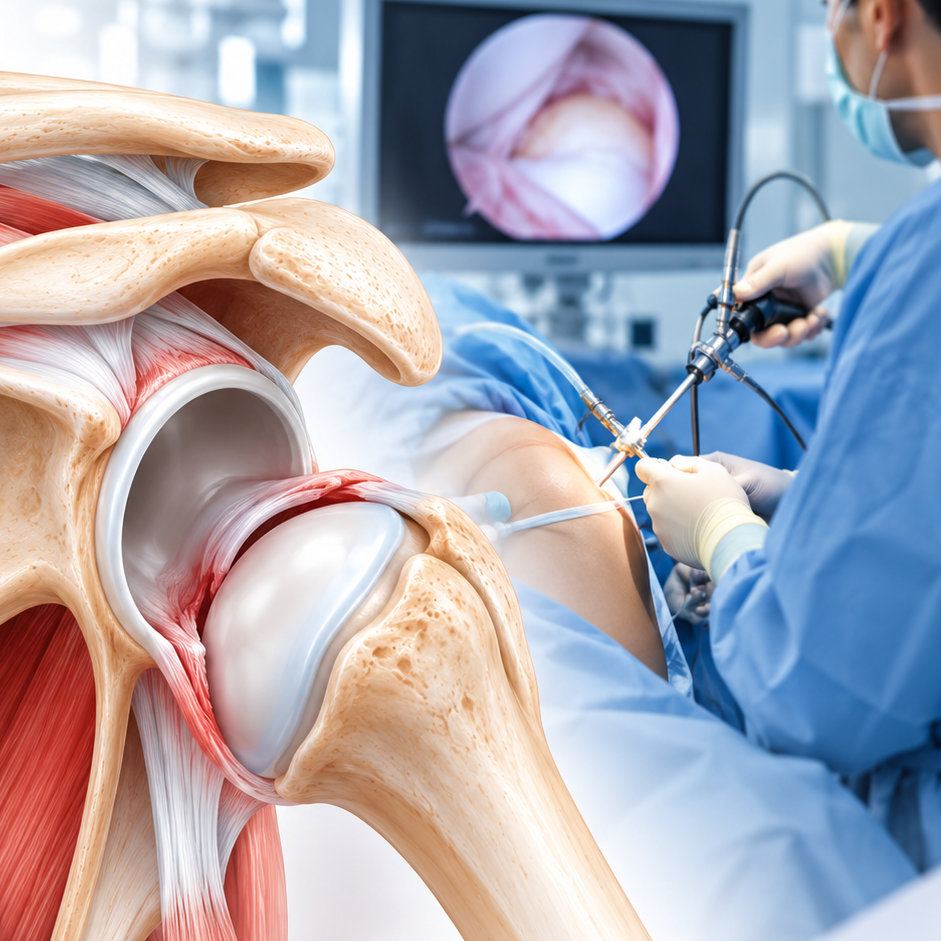
A proper evaluation helps determine the severity of the damage or injury for better treatment plan.
MBBS, MS – Orthopaedics | Orthopedic surgeon


MBBS, MD (PGT), MPT (Ortho), DFM (Medicine) (Govt. Medical Oficer, General Physician)

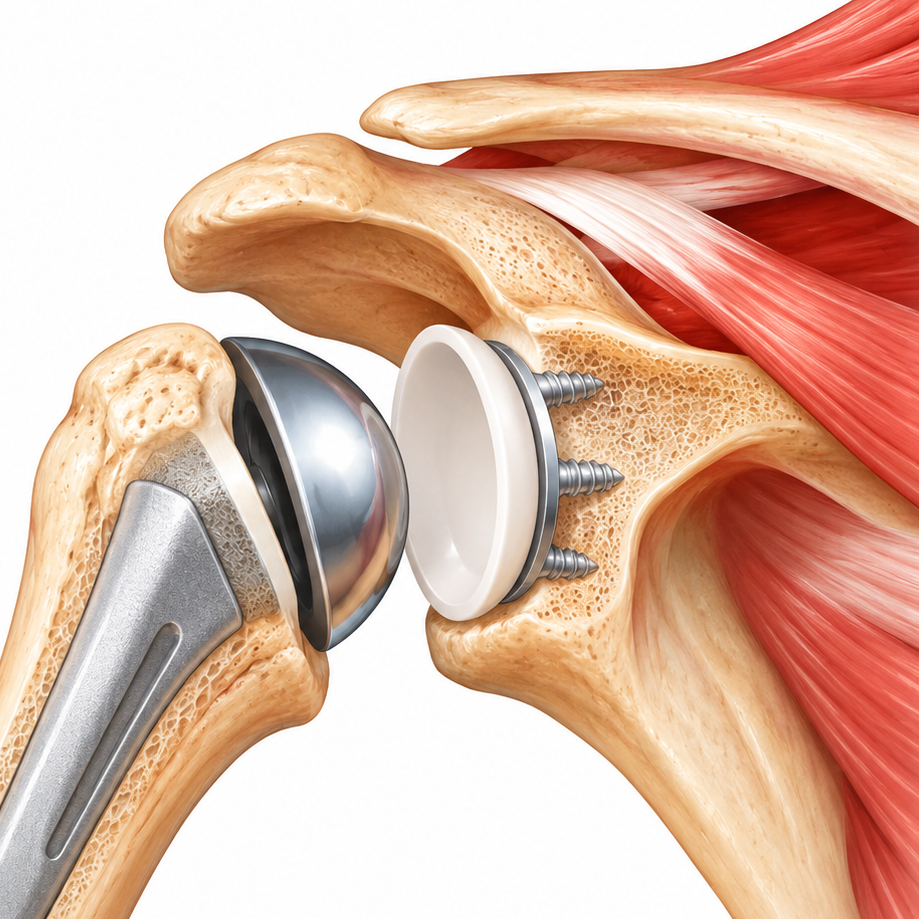
Shoulder Replacement, also called Shoulder Arthroplasty, is a surgical procedure in which damaged parts of the shoulder joint are replaced with artificial components.
The shoulder is a ball-and-socket joint formed by the upper end of the arm bone and the shoulder socket. Damage to these structures can cause persistent pain, stiffness and difficulty using the arm.
During surgery, the damaged joint surfaces are prepared and replaced with suitable implant components.
Shoulder Replacement is not required for every shoulder problem. It may be considered when significant joint damage causes ongoing pain and functional limitations despite appropriate non-surgical treatment.
Severe joint degeneration with other symptoms.
Ongoing Pain despite other treatments.
Less ability for daily life activity.
Significant damage to the shoulder joint.
Certain serious fractures or injuries.
Severe joint problems with an irreparable rotator cuff.
Shoulder pain that persists, worsens or interferes with everyday activities deserves proper medical evaluation. Difficulty lifting the arm, reaching overhead or performing routine tasks may be associated with an underlying joint problem.
Schedule a Shoulder EvaluationThe type of Shoulder Replacement is selected according to the condition of the joint, bone quality & others.
In Total Shoulder Replacement, the damaged ball and socket surfaces are replaced with artificial components.
Partial Shoulder Replacement involves replacing mainly the damaged humeral head while preserving the natural socket when clinically appropriate.
In Reverse Shoulder Replacement, the normal ball-and-socket arrangement is changed through the implant design.
Shoulder Resurfacing preserves more of the natural bone by placing a prosthetic surface over the damaged portion of the humeral head.
Your surgical pathway is planned according to the condition of your shoulder joint and the type of replacement selected.
When shoulder pain starts affecting your sleep, arm movement or everyday activities, timely Orthopaedic evaluation can help identify the appropriate treatment pathway.
From your initial consultation through rehabilitation, each stage is planned according to your medical condition and recovery requirements.
Quick admission with patient registration.
Evaluation of Imaging and other tests.
Administration of aesthesia & surgical area preparation.
Operation for relieving the pain.
Post-operative monitoring & Discharge.
When significant shoulder joint damage continues to cause pain and restrict arm function, Shoulder Replacement may help address the damaged joint and support improved functional movement.
Surgery help reduce pain and further issues.
Supports movement in affected shoulder.
Helps restore useful movement.
Make routine activities easier.
Recovery continues after the operation. Following the Orthopaedic Specialist’s rehabilitation plan helps the shoulder gradually regain movement, strength and functional ability.
Speak With Our Post-Operative TeamProgressive exercises for shoulder mobility.
Use of support and gradual activity progression.
Follow-up evaluation helps monitor healing.
Do not miss follow-up guidance.
Answers to common questions about Shoulder Replacement, recovery and rehabilitation.
It may be considered when severe shoulder joint damage causes persistent pain and movement limitations despite appropriate non-surgical treatment.
Depending on the patient’s condition, options may include Total Shoulder Replacement, Partial Shoulder Replacement, Reverse Shoulder Replacement and selected resurfacing or revision procedures.
The duration can vary depending on the type of replacement, complexity of the condition and the patient’s individual surgical requirements.
Anaesthesia is administered during surgery. Some pain or discomfort can occur during the early recovery period and is generally managed through prescribed medication and post-operative care.
Movement is usually started according to the surgeon’s rehabilitation protocol. The timing and extent of movement depend on the type of surgery and individual recovery.
Choose the consultation option that works best for you.