Prostatectomy Surgery for Critical Prostate Issue
Are you suffering from any urinary symptoms, prostate enlargement, or a prostate-related adverse condition affecting your health?
Prostatectomy Surgery is a surgical approach used to remove either part or all of the prostate, depending on the underlying condition and treatment requirement. At Medithics Superspeciality Care, the surgical plan is developed after assessing your symptoms, prostate condition, diagnostic findings and overall health.
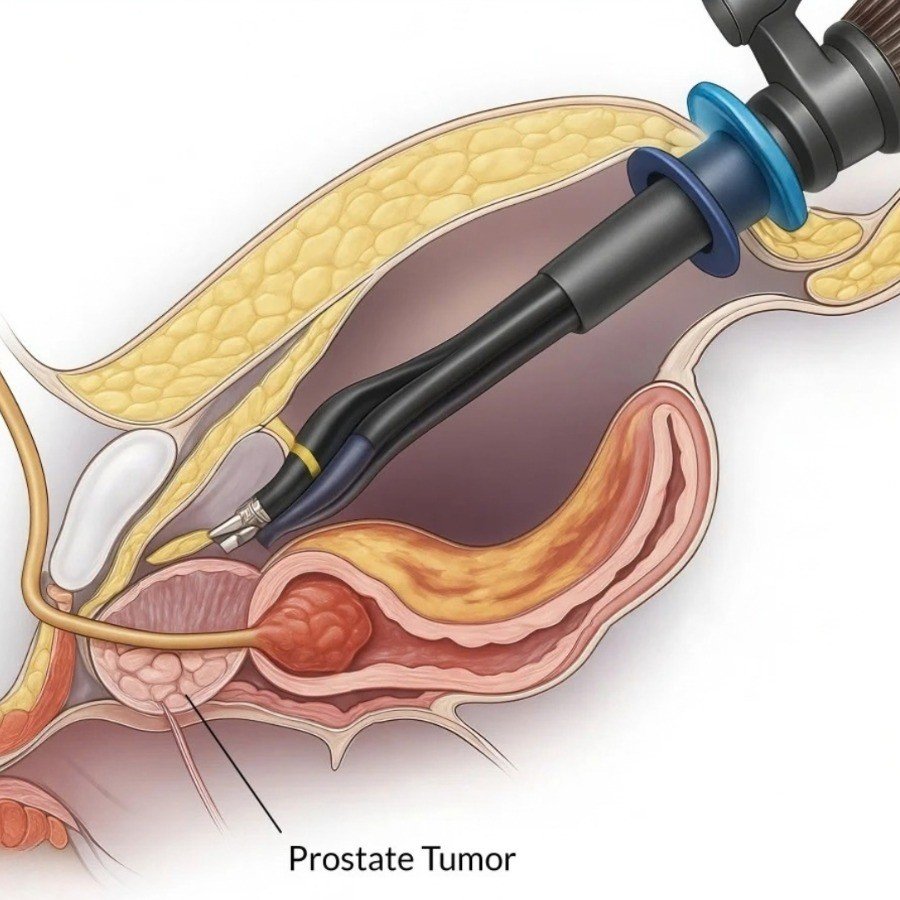

Your Prostate Treatment Specialist
Before recommending Prostatectomy Surgery, the urologist evaluates urinary symptoms, prostate size, medical history and relevant test reports. The purpose is to understand whether prostatectomy is appropriate and which surgical approach may be suitable.
Dr. S. K. Baishya
What is Prostatectomy?
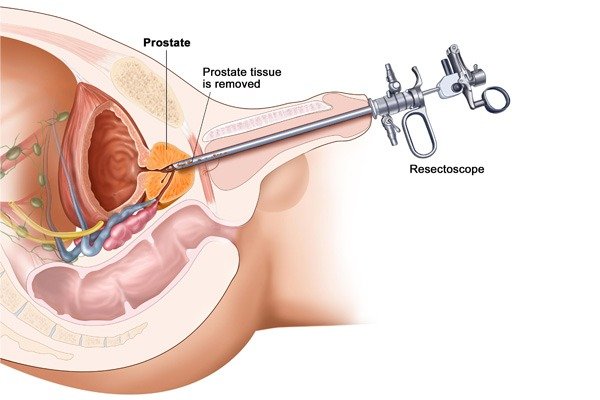
Prostatectomy refers to the surgical removal of prostate gland. Depending on the reason for surgery, the procedure may involve removal of the entire prostate or removal of the prostate certain tissue responsible for urinary obstruction.
The approach can vary according to the patient’s condition and may include open, laparoscopic or robotic-assisted surgery in appropriate cases. For BPH, other procedures such as TURP or laser-based prostate procedures may also be considered depending on prostate size, symptoms and individual clinical factors.
- The surgery is selected cases of localized prostate cancer.
- Highly advanced treatment for Benign Prostatic Hyperplasia.
- Relieve the symptoms of urine flow obstruction.
- Manage persistent urinary symptoms.
- Reduce the adverse disease condition.
When May Prostatectomy Be Recommended?
Not every patient with prostate enlargement requires prostatectomy and surgery is considered when the clinical condition, symptoms and diagnostic findings indicate towards an operative approach.
Significant Prostate Enlargement
A substantially enlarged prostate affecting urinary flow.
Persistent Urinary Obstruction
Difficulty in urine passing.
Recurrent Urinary Problems
Repeated urinary infections.
Urinary Retention
Inability to empty the bladder.
Treatment-Resistant Symptoms
Persistent symptoms despite medicines.
Selected Prostate Cancer Cases
Radical prostatectomy for localized prostate cancer.
When Should You Consult an Urologist ?
Prostate-related urinary symptoms can develop gradually and may initially appear to be a normal part of ageing. Persistent or worsening symptoms deserve proper medical assessment.
Schedule An Appointment TodayConsult an expert if you experience
Tests That Help Plan Prostatectomy
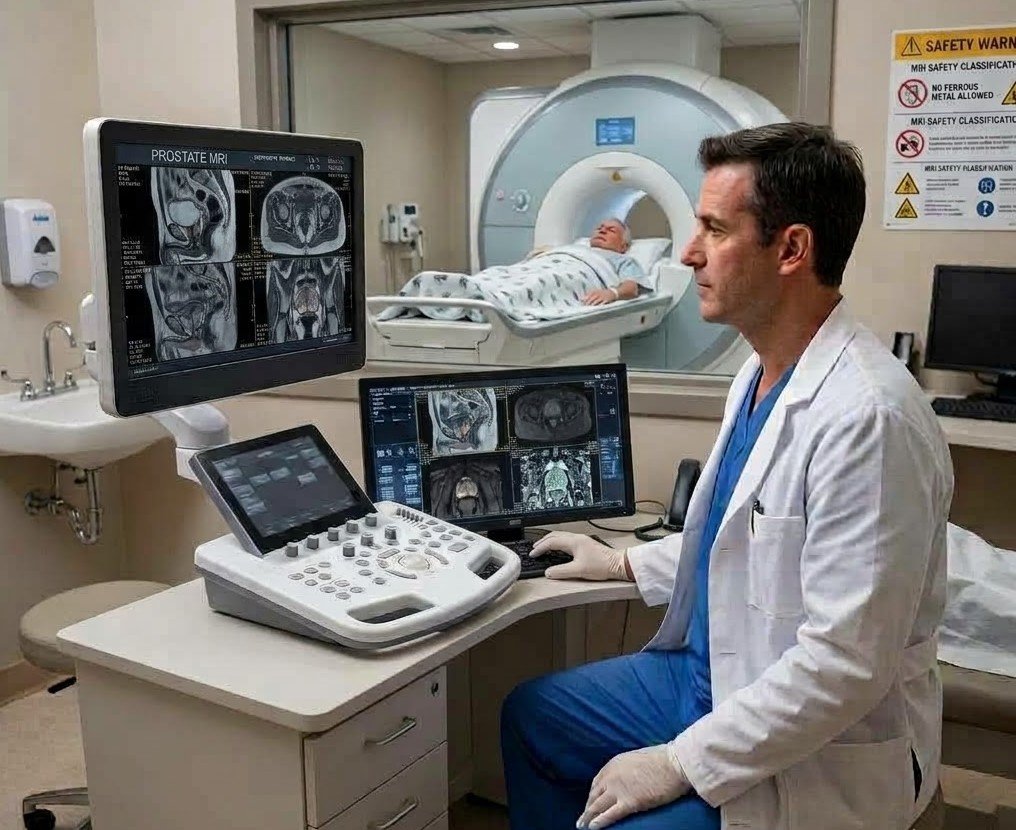
Before prostate surgery, your urologist may recommend investigations to understand the prostate condition and determine the most appropriate treatment.
Physical Examination
Assessment of the prostate condition.
PSA Test
Accurate test for prostate pathology.
Urine Examination
Urine culture and others test for illness analysis.
Ultrasound & Imaging Test
Test (MRI, Cystoscopy & others) that assess prostate size and bladder emptying.
Uroflowmetry
Measurement of urinary flow.
How is Prostatectomy Performed?
The exact steps depend on whether the surgery is being performed for BPH or prostate cancer.
Why Choose Prostatectomy ?
Select Prostatectomy for addressing the prostate tissue concern and in selected cancer cases, for the remove the prostate as part of definitive cancer treatment. The potential benefits depend on the type of surgery and the patient’s underlying condition.
What to Expect During Prostatectomy Surgery?
From your first consultation to post-operative follow-up, each stage is planned around your medical condition and recovery needs.
Hospital Admission
Patient registration and initial clinical assessment.
Pre-Surgery Assessment
Review of reports, medications and vital signs.
Anaesthesia Administration
Administration of general anaesthesia.
Prostate Surgery
The planned surgical technique is performed.
Recovery & Monitoring
Post-operative observation and discharge planning.
Why Prostatectomy is Best Choice for Prostate Cancer Condition
When surgery is clinically indicated, prostatectomy can address prostate tissue responsible for significant obstruction or, in selected cancer cases, remove the prostate as part of definitive cancer treatment. The potential benefits depend on the type of surgery and the patient’s underlying condition.
Targeted Surgical Treatment
Addressing the prostate tissue.
Improved Urinary Passage
Improve urine flow in appropriate cases.
Condition-Specific Surgical Planning
Selection of process as per the condition.
Structured Follow-Up
Post-operative monitoring and care.
Recovery & Follow-up Care After Prostatectomy
Recovery after prostate surgery is a gradual process and your post-operative instructions may vary depending on the type of prostatectomy performed.
Speak With Our Post-Operative Care TeamFollow Medication Instructions
Take prescribed medicines according to instructions.
Maintain Adequate Hydration
Take fluid intake during recovery.
Gradual Activity
Return to normal activities progressively.
Follow-Up & Urinary Care
Attend scheduled appointments and follow instructions.
Prostatectomy FAQs
Answers to common questions about the procedure, recovery and after-care.
Very light and clear fluid based food such as clear broth, apple juice and others are highly recommended.
A catheter is commonly used for a period after some prostate surgeries, but the duration depends on the procedure and individual recovery.
Changes in urinary control can occur after some forms of prostate surgery and the likelihood and duration depend on the type of surgery and individual factors.
No. BPH can be managed through lifestyle measures, medicines and several minimally invasive or surgical procedures.
Radical prostatectomy may be used for appropriately selected patients with localized prostate cancer.