
Dr. Debashis Adhikary
MBBS, MS – Orthopaedics | Orthopedic surgeon
20+ Years Experience
A rotator cuff tear is an injury to one or more tendons that help keep the shoulder stable and support arm movement. It may develop gradually because of repeated shoulder use or occur suddenly after an injury.
Persistent shoulder pain, weakness while lifting the arm and difficulty performing overhead activities can affect both work and everyday life. Rotator Cuff Repair Surgery may be recommended when a significant tear does not improve with non-surgical treatment.
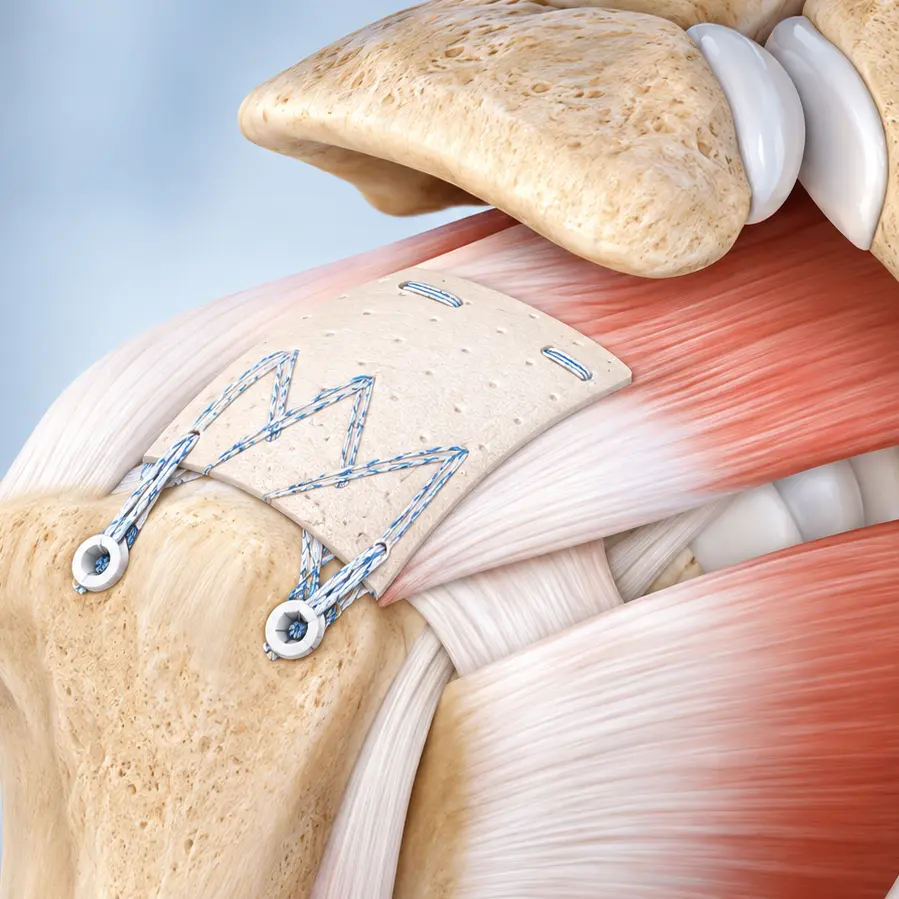
A proper evaluation helps determine the severity of the damage or injury for better treatment plan.
MBBS, MS – Orthopaedics | Orthopedic surgeon


MBBS, MD (PGT), MPT (Ortho), DFM (Medicine) (Govt. Medical Oficer, General Physician)

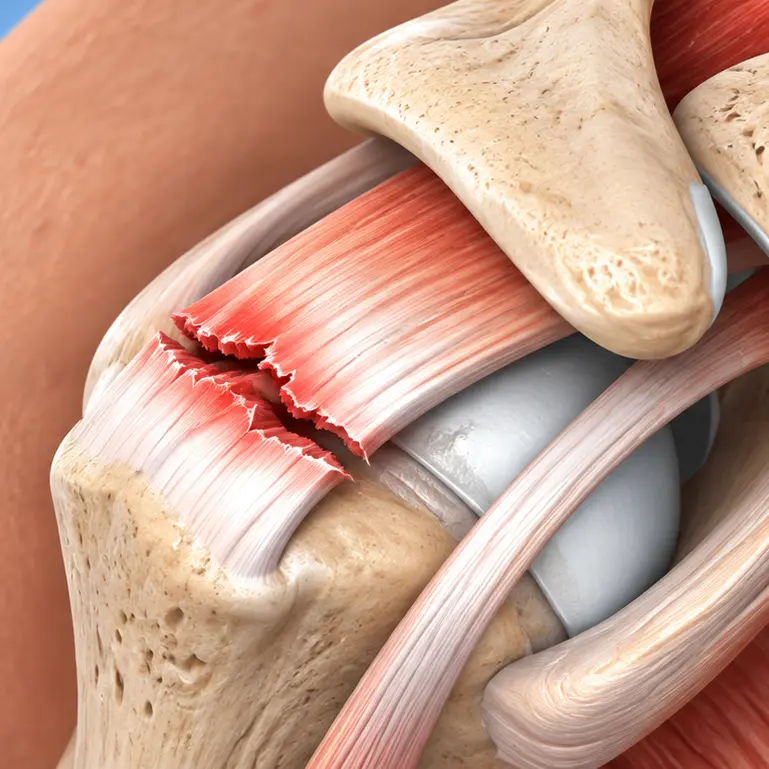
A rotator cuff tear is an injury in which one or more of the tendons that connect the shoulder muscles to the upper arm bone become partially or completely torn. These tendons help stabilise the shoulder joint and allow movements such as lifting, reaching and rotating the arm.
Key Common Factors of Rotator Cuff Tear
A rotator cuff tendon may become damaged when repeated stress, degeneration or a sudden force exceeds the tissue’s ability to withstand the load.
Frequent overhead movements on shoulder tendons.
A fall or direct injury cause tendon tear.
Sudden or excessive loading affect tendon.
Gradual weakness of tendon with age.
Earlier shoulder problems cause damage.
Frequent shoulder movements increase overload.
Shoulder pain that persists, increasing weakness or difficulty lifting the arm should not be ignored. A specialist assessment can help determine whether the symptoms are related to a rotator cuff tear and whether conservative or surgical treatment may be appropriate.
Book a Shoulder EvaluationThe surgical approach depends on factors such as the tear’s size, location, tissue quality and associated shoulder problems.
Small incisions are used to introduce a camera and specialised instruments into the shoulder. The torn tendon can then be repaired under direct visual guidance.
This approach combines arthroscopic assessment with a smaller open incision through which the tendon can be repaired.
A larger surgical approach may be considered for selected complex or extensive tears where direct access is required.
Some partial tears may not require complete tendon repair. Depending on their severity and symptoms, treatment may include debridement or non-surgical management.
Diagnosis usually combines the patient’s symptoms, physical examination and appropriate imaging.
Ongoing shoulder pain and weakness can interfere with work, sleep and everyday movement. Early assessment can help identify the underlying tendon problem and establish an appropriate treatment pathway.
Rotator Cuff Repair Surgery is planned around the size and location of the tendon tear, the patient’s overall health and the selected surgical technique.
Patient registration & pre-operative documentation.
Review of imaging & operative area plan.
Administration of general or local anaesthesia.
Surgical or non-surgical process for cuff repair.
Patient monitoring & recovery plan.
The primary objective of surgery is to repair the damaged tendon and support improvement in shoulder pain, strength and function when surgery is clinically indicated.
Decrease persistent pain for damaged tendon.
Support gradual functional shoulder strength.
Improved tendon healing and rehabilitation.
Help patients’ gradual continuation of activities.
Surgery is only one part of recovery. Protecting the repaired tendon and following a structured rehabilitation programme are essential for progressive shoulder recovery.
Speak With Our Orthopaedic TeamPlanned exercise programme for mobility.
Temporary restrictions advised during early healing.
Shoulder activity can increased progressively.
Do not miss follow-up & care plan.
Answers to common questions about Hip Replacement, recovery and after-care.
No. Treatment depends on the tear, symptoms, functional limitations and response to non-surgical management.
In appropriate cases, yes. Arthroscopic Rotator Cuff Repair uses small incisions, a camera and specialised instruments. However, open or mini-open repair may be selected for certain injuries.
Physiotherapy helps progressively restore shoulder movement, flexibility and strength while supporting a safe return to normal activities.
A repaired tendon can potentially re-tear, particularly with larger or more complex tears. Following the surgeon’s restrictions and rehabilitation programme is important during healing.
Return to work, exercise and sports depends on tendon healing, shoulder strength, range of movement and the type of activity. Your orthopaedic surgeon and physiotherapist should determine when progression is appropriate.
Choose the consultation option that works best for you.