
Gastric Ulcer Treatment for Better Stomach Health
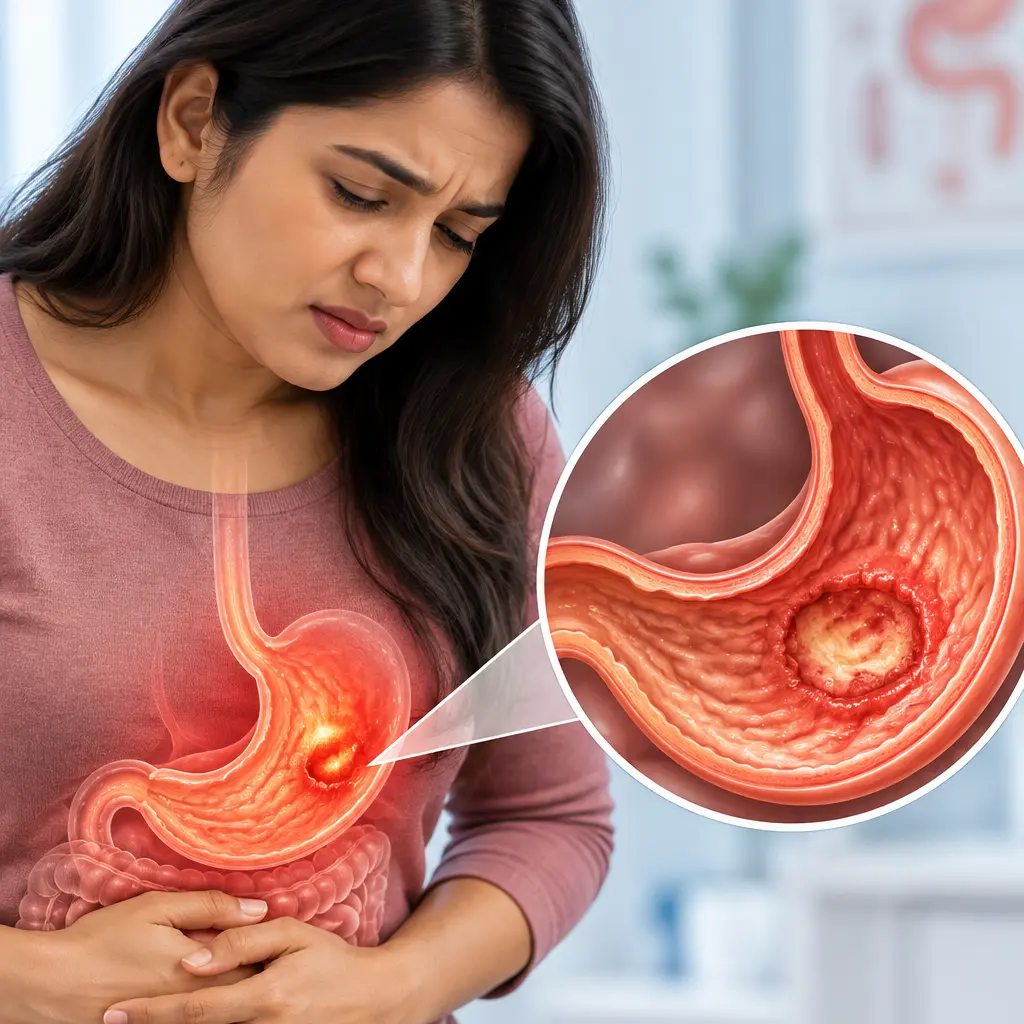
A gastric ulcer is an open sore that develops in the stomach lining & occur when the protective lining of the stomach becomes damaged & digestive fluids to irritate the affected area.
Gastric ulcers can cause symptoms such as upper abdominal pain, burning, indigestion or nausea, although some people may have few or no symptoms until complications develop.
If you have persistent stomach pain, recurring acidity, indigestion, vomiting or have been diagnosed with a gastric ulcer, consulting a gastroenterologist can help and guide appropriate treatment.
✓
Advanced Diagnostic Facilities
Well-equipped surgical facilities.
+
Specialist-Led Care
Doctor-guided evaluation and treatment.
♥
Long-Term Digestive Care
Continued guidance and monitoring.

Specialist-Led Gastric Ulcer Care
Detailed Gastrointestinal Evaluation
✓
Cause-Based Treatment Planning
Regular Monitoring & Follow-Up Care
◷
Detailed Gastric Evaluation
Assessment of symptoms & medical history.
♥
Identify the Underlying Cause
Evaluation for hidden factors.
✓
Personalised Treatment Plan
Treatment based on the ulcer’s cause.
+
Regular Follow-Up
Follow-up assessment is important.
Right Treatment Begins With the Right Diagnosis
Proper evaluation for gastric care can be helpful to decrease the disease progression and live a healthy life.

Dr. Kunal Kumar Gupta
Dr.NB ( Medical gastroenterology) DNB ( General medicine ), MBBS MTI – UK
18 Years Experience


Dr. Debojyoti Chakraborty
MBBS, MD – General Medicine DM – Gastroenterology
15+ Years Experience
What Can Lead to a Gastric Ulcer
A gastric ulcer develops when the stomach’s protective lining is damaged and becomes vulnerable to stomach acid and digestive substances.
Two important causes of gastric ulcers are Helicobacter pylori (H. pylori) infection and prolonged use of pain-relieving medicines known as NSAIDs.
Other factors may increase the risk of stomach irritation or complicate ulcer management, which is why identifying the underlying cause is important.
Common Factors Associated With Gastric Ulcer Are-
- H. pylori Infection that damage the stomach’s lining.
- Long-Term NSAID Use.
- Smoking increase ulcer development risk.
- Excessive Alcohol Consumption.
- Previous History of Ulcer
Understanding Stages of Gastric Ulcer
The stages of ulcer is important to understand which type of treatment will be applicable to live a better life.
Stage 0
Early stomach-lining irritation before a clearly developed ulcer.
Stage 1
A developing ulcer with localised damage to the stomach lining due to excess acid.
Stage 2
A deeper ulcer with increased irritation, inflammation and a greater risk of complications.
Stage 3
During this stage the sores rupture the blood vessel and causes gastrointestinal bleeding.
When Should You Consult a Gastric Ulcer Specialist?
Persistent digestive symptoms should not always be treated as simple acidity. A medical evaluation may be appropriate when symptoms continue, return frequently or become more severe.
01
Upper Abdominal Pain
Recurring burning & aching in the upper abdomen.
02
Frequent Indigestion
Repeated indigestion or discomfort after meals.
03
Nausea or Vomiting
Persistent nausea or repeated vomiting.
04
Loss of Appetite
Reduced interest in food.
05
Unexplained Weight Loss
Unexpected loss of body mass.
06
Black or Tarry Stools
Black stools that indicate gastrointestinal bleeding.
How Is Gastric Ulcer Diagnosed?
A proper evaluation helps identify whether an ulcer is present, determine its likely cause and assess whether there are signs of complications.
Schedule a Detailed Gastric Ulcer EvaluationTests & Examinations Used When Required
●
Medical History
●
Physical Examination
●
Assessment of Symptoms and Medication History
●
H. pylori Testing
●
Upper Gastrointestinal Endoscopy
●
Biopsy During Endoscopy
●
Blood Tests in Selected Cases
●
Stool Testing
How Is Gastric Ulcer Treated?
The treatment approach depends on what caused the ulcer and the patient’s overall health. Right Treatment can ensure quick recovery rate followed by better quality of life.
01
H. pylori Treatment
Combination of medication for ulcer management.
02
Acid-Reducing Medicines
Consume medications to heal ulcer.
03
Review of Painkiller Use
Review of NSAIDs for reduce pain.
04
Surgery Process
Surgical method for advance disease stage.
05
Observation
Non-surgical treatment for reducing illness.
Ready to Take the Next Step Towards Better Digestive Health?
Persistent stomach symptoms should not always be ignored as acidity or indigestion. Identifying the cause of the problem can help guide appropriate treatment and prevent potential complications.
What Happens During Gastric Ulcer Management?
Your gastric ulcer management journey begins with a detailed consultation, symptom assessment and evaluation of the possible underlying cause.
01
INITIAL ASSESSMENT
Patient condition evaluation.
CONSULTATION – 30mins
02
DIAGNOSTIC EVALUATION
Different diagnosis for illness stage confirmation.
EVALUATION – As required
03
MEDICATION-BASED TREATMENT
Doctor-prescribed medicines for ulcer healing.
GUIDANCE – As advised
04
ENDOSCOPIC MANAGEMENT
Non-invasive treatment as suggested.
OPERATE- 1-2 hours
05
MONITORING & FOLLOW-UP CARE
Follow-up consultations and investigations
CHECK-UP – Doctor Recommended
Importance of Gastric Ulcer Management
Proper gastric ulcer management focuses not only on reducing stomach pain but also on treating the underlying cause and supporting long-term digestive health.
✓
Prevents Ulcer Progression
Helps prevent the ulcer from becoming more severe.
+
Reduced Risk of Recurrence
Help reduce the ulcer returning chances.
◉
Early Identification of Complications
Effectively identify problems before become serious.
↗
Supports Digestive Health
Healing and helps maintain healthy digestion
Care That Continues Beyond Gastric Ulcer Treatment
Gastric ulcer care does not always end when symptoms improve. Completing the prescribed treatment and following medical advice are important parts of recovery.
The follow-up plan can vary according to the cause of the ulcer, treatment response, presence of H. pylori, medication use and any associated complications.
✓
Take Medicines as Prescribed
Do not stop medicines without advice.
💧
Follow H. pylori Treatment
Completing the full eradication treatment.
◷
Review Painkiller Use
Evaluate use of NSAID for reducing recurrence.
+
Attend Follow-Up Visits
Follow recommended appointments.
Gastric Ulcer Treatment FAQs
Answers to common questions about the procedure, recovery and after-care.
Can gastric ulcer be completely cured?
+
Many gastric ulcers can heal with appropriate treatment, particularly when the underlying cause is identified and treated. Completing the prescribed treatment is important for proper healing.
Is gastric ulcer the same as acidity?
+
No. Acidity and acid reflux can cause burning or discomfort, while a gastric ulcer is an actual sore in the stomach lining.
What foods should be avoided in IBS?
+
There is no universal list of foods to avoid. Individual triggers may include certain dairy products, onions, beans, wheat-based foods or some fermentable carbohydrates.
Can painkillers cause gastric ulcer?
+
Certain NSAID painkillers can increase the risk of stomach ulcers, particularly with prolonged or frequent use.
Can gastric ulcer come back?
+
Yes. Recurrence can occur, particularly if the underlying cause remains untreated. Proper treatment of H. pylori, appropriate medication review and following medical advice can help reduce the risk.