Pilonidal Sinus Treatment for Lasting Relief
A pilonidal sinus is a small tunnel or cyst that forms beneath the skin near the tailbone and may lead to repeated swelling, pain or discharge. When the area becomes infected, everyday activities such as sitting, walking and working can become uncomfortable.
At Medithics Superspeciality Care, patients can receive an appropriate clinical assessment to understand the issue and its suitable treatment options.
If you experience recurring discomfort or discharge near the tailbone, consulting a qualified surgeon can help determine the next steps for treatment.
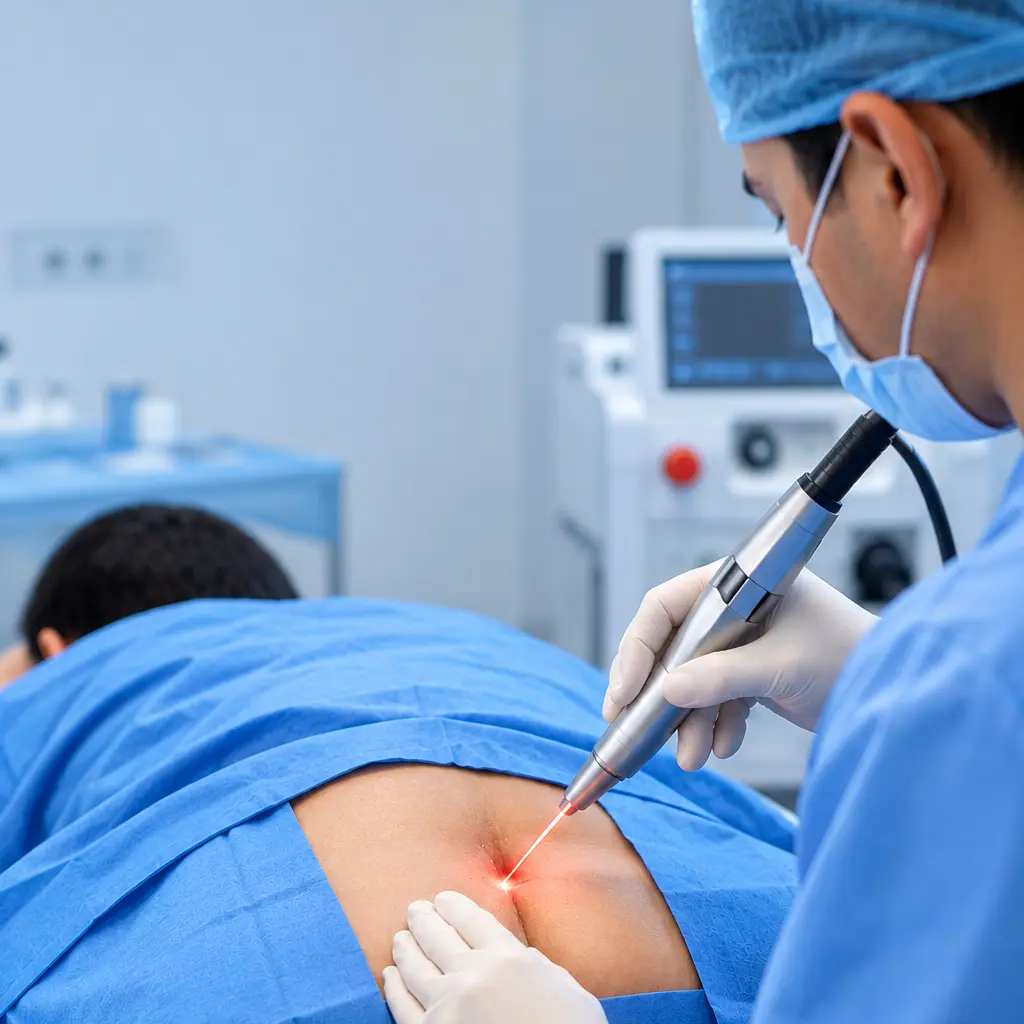
The Right Treatment Begins With the Right Diagnosis.
Identifying the nature and extent of a pilonidal sinus is an important step towards choosing suitable treatment. A clinical examination helps the surgeon assess whether the condition involves an active abscess, a persistent sinus tract or recurrent infection.
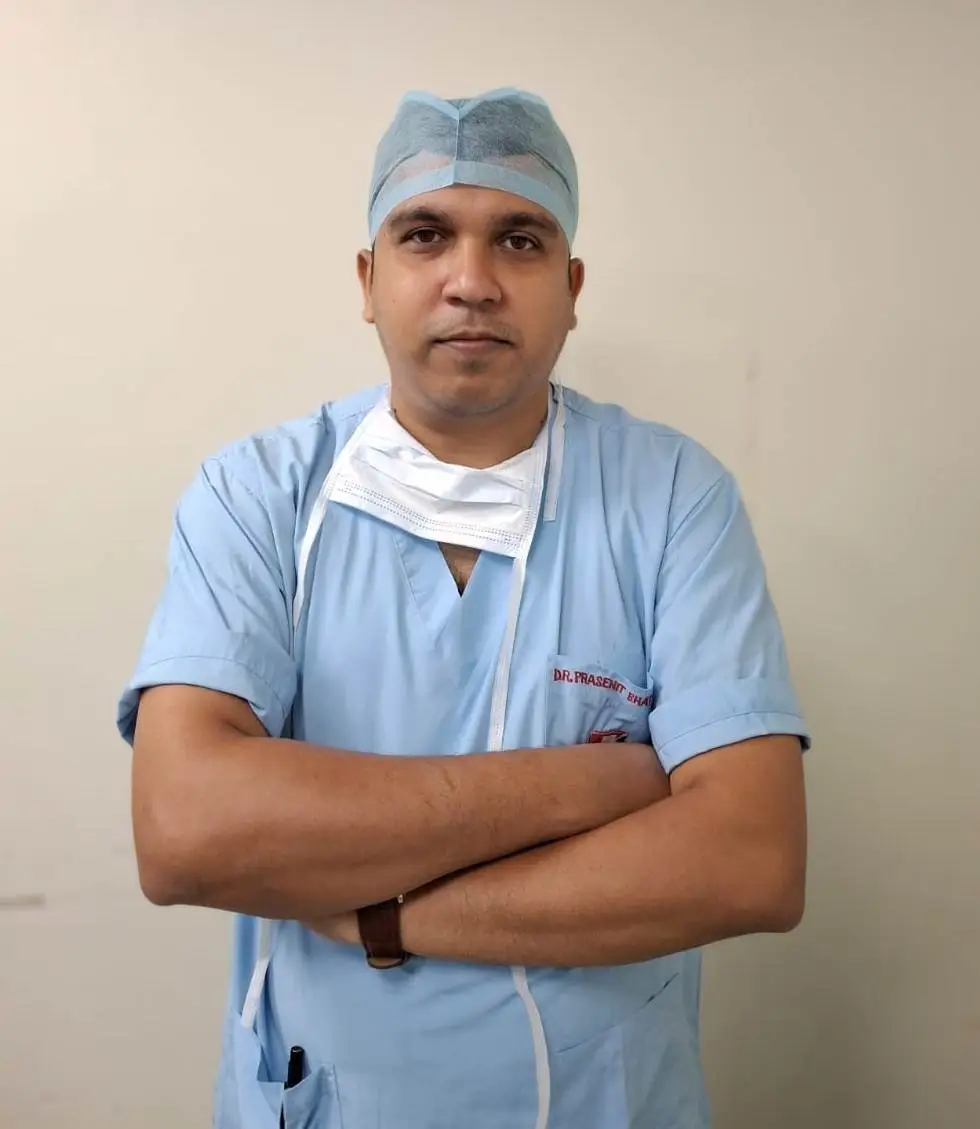
Dr. Prasenjit Bhattacharya
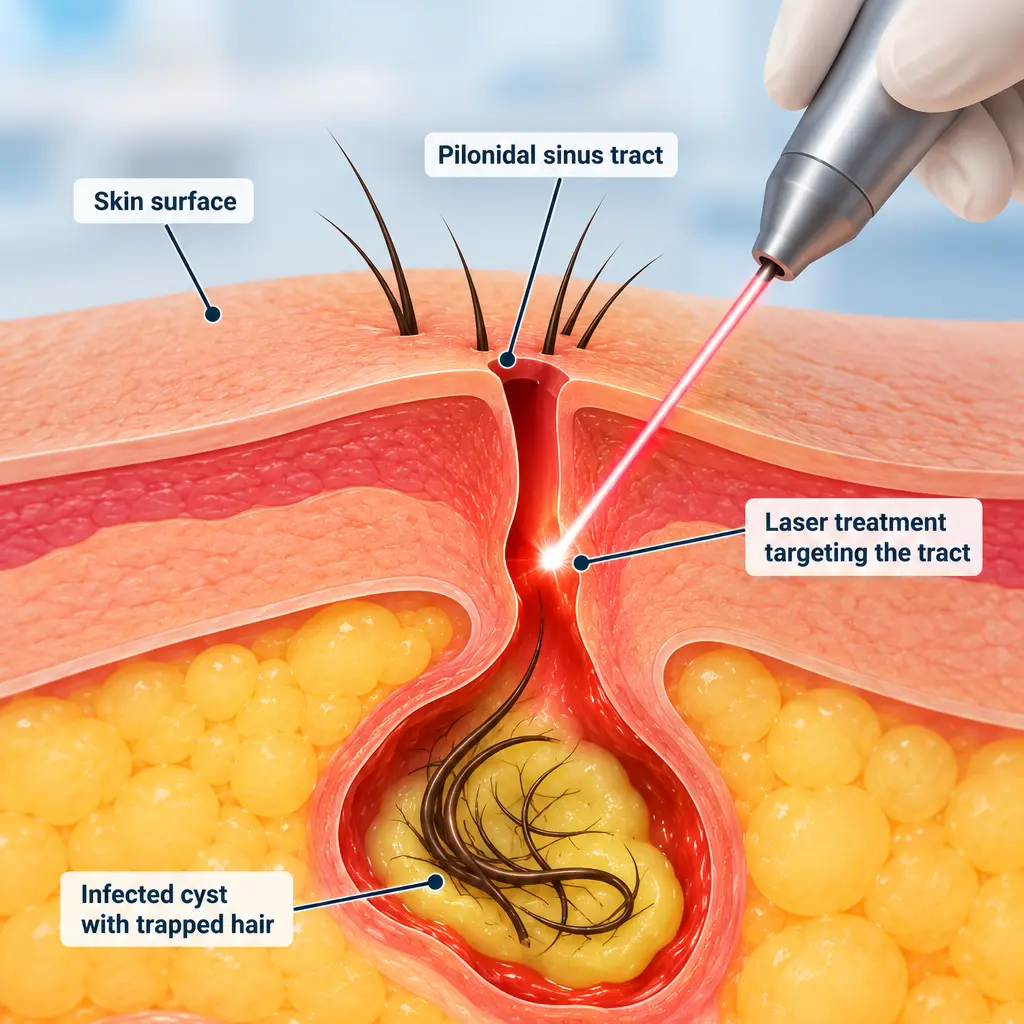
What Can Lead to a Pilonidal Sinus
Not everyone develops the condition for the same reason. Pilonidal sinus disease often develops when loose hair becomes embedded in the skin around the upper buttock crease. Friction, pressure and local inflammation may contribute to the formation of a sinus tract.
Common Factors Associated With Pilonidal Sinus
- Hair Penetration Into the Skin
- Repeated Friction and Pressure
- Prolonged Sitting
- Excess Body Hair
- Previous Pilonidal Sinus Infection
Understanding the Types of Pilonidal Sinus
Asymptomatic Pilonidal Sinus
A sinus opening may be present without pain or discharge and treatment depends on the clinical findings and whether symptoms develop.
Acute Pilonidal Abscess
An infected collection of pus beneath the skin can cause sudden swelling, tenderness, redness and significant discomfort.
Chronic Pilonidal Sinus
A persistent sinus may produce intermittent discharge or discomfort over an extended period and may require a procedure to address the affected tract.
Recurrent Pilonidal Sinus
Symptoms may return after an earlier infection or procedure. Further assessment helps determine the reason for recurrence and whether additional treatment is needed.
When Should You Consult an Proctologist?
Discomfort near the tailbone should not always be dismissed as a minor skin irritation, particularly when it continues or repeatedly returns.
Recurring Pain
Repeated tenderness near tailbone.
Swelling or a Painful Lump
A raised, inflamed area within buttock crease.
Persistent Discharge
Pus, blood from a small opening.
Difficulty Sitting Comfortably
Pain that interferes with routine activities.
Repeated Infections
Abscess formation in same area.
Warning Signs
Fever or others signs need care.
How Is Pilonidal Sinus Diagnosed?
Diagnosis generally begins with a discussion of symptoms and a physical examination of the affected area. The surgeon assesses the location of the sinus openings, signs of infection and any history of previous treatment.
Schedule a Pilonidal Sinus EvaluationTests and Examinations Used When Required:
How Is Pilonidal Sinus Treated?
Pilonidal sinus treatment is selected according to the extent of the disease, the presence of infection and whether symptoms have occurred previously.
Ready to Take the Next Step Towards Relief?
Persistent pain, swelling or discharge near the tailbone can affect comfort and daily activities. At Medithics Superspeciality Care, patients can seek guidance about suitable treatment options and the recovery process.
What Happens During Pilonidal Sinus Treatment?
Your treatment journey begins with an assessment of the affected area.
HOSPITAL ADMISSION
Symptoms review & checking the affected area.
DIAGNOSTIC EVALUATION
Checking of reports & surgical area preparation.
ANAESTHESIA ADMINISTRATION
Administration of general or local anaesthesia.
LASER SURGICAL PROCEDURE
Laser pilonidal cyst treatment
MONITORING AND FOLLOW-UP
Review of wound & recurrence signs.
Benefits of Laser Pilonidal Sinus Treatment
Appropriate treatment aims to control infection, relieve symptoms and address the underlying sinus when necessary.
Relief From Pain and Pressure
Relieve discomfort of accumulated pus.
Management of Persistent Sinus Tracts
Address the affected tract properly.
Reduced Episodes of Infection
Reduce repeated inflammation and abscess.
Improved Daily Comfort
Increase comfort in daily activities.
Care That Continues Beyond Pilonidal Sinus Treatment
Following medical instructions and attending scheduled reviews can help support healing and identify potential complications early.
Speak With Our Surgical Care TeamFollow Wound-Care Instructions
Keep the area clean and manage dressings.
Take Prescribed Medicines Correctly
Follow the recommended medication.
Resume Activities Gradually
Avoid excessive pressure until advised.
Attend Follow-Up Visits
Allow the surgeon to review healing.
Pilonidal Sinus Treatment FAQs
Answers to common questions about the procedure, recovery and after-care.
Anaesthesia is used during the procedure to manage pain. Some discomfort may occur during recovery and can be managed with medication and wound-care instructions provided by the doctor.
Yes. Recurrence is possible even after surgery. The risk depends on the disease pattern, procedure, healing process and other individual factors.
Some sinuses remain asymptomatic, but others can develop recurrent infection, discharge or a painful abscess. Persistent or worsening symptoms should be medically assessed.
Follow wound-care advice, maintain appropriate hygiene, avoid repeated friction and discuss suitable hair-management methods with your doctor.
Seek prompt medical care if you develop increasing pain, significant swelling, fever, spreading redness or a painful lump that may contain pus.